Sunday, May 30, 2021

Tieluohan Tea – The Oldest Of Wuyi 4 Great Oolong Tea Trees

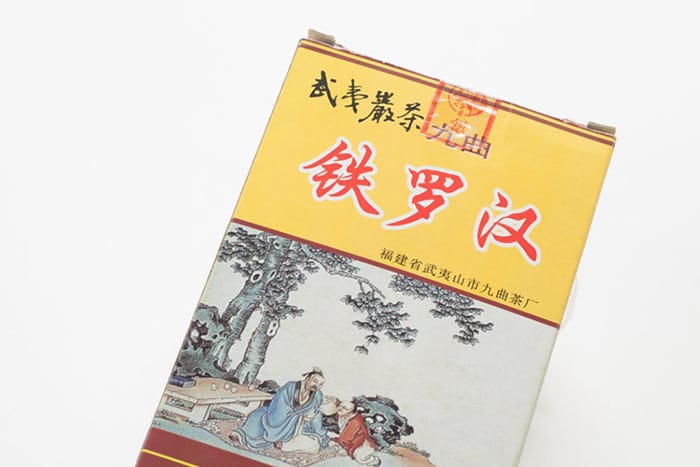
Fujian is the largest Oolong tea-producing region, and the products are divide into two genres – Minnan and Minbei. When we are talking about Oolong, we can’t miss them, especially Wuyi Rock Tea. There are Four Great Oolong Tea Trees in Minbei, one of them has a domineering name – Tieluohan. It is said Tieluohan tea is the one with the longest history; maybe it can show the “rock-flavor style” thoroughly.

What Is Tieluohan Tea

Tieluohan tea is also called Tie Luo Han. In Chinese, Tie means iron, and Luohan refers to the Arhat. What is an Arhat? People who ever studied Buddhism know surely, the Arhat is the apprentice of the Buddha, a total of 16, 18, or 500 guys(different denomination has a different saying.) They are the Buddhists who practiced to the highest level; it can be interpreted as a demigod. Of course, in most people’s impression, the Arhat typically refers to the monk in Shaolin Monastery with the strongest Kongfu and being a guard. So you can realize its flavor must be very robust and strengthful from the name Tieluohan.

Names Legends

About the name Tieluohan tea, there are 3 legends.

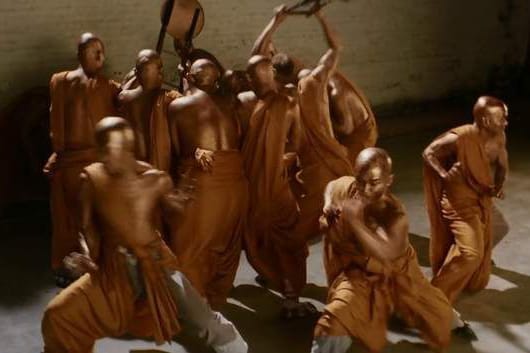
Story 1. A long time ago, a monk name Ji Hui was good at processing tea. The monk is tall and strong and with black skin because of the daily farm work, which looks like the Arhat in the picture. So, the folks around call him Iron Arhat. One day, he stepped into Wuyi mountain again. At Feng Ke Pit’s gap, he found a tea tree, growing as strong as himself and with soft leaves. He picks it and brought it home, processing it into tea. Folks fell in love with the tea after drinking it, so they named it with his nickname.
Story 2. This story sounds normal and like a business promotion. It is said that at the old time, a merchant named Shi starting a tea shop in Minnan specialize sold loose tea from Minbei. At that time, two rat plagues outbreak in a short period, many people died. Shi offered his teas to the patients for free. Just like other teas originated stories, the great health benefits of the tea cured many patients. People thought these teas are gifts from God, so call it Tieluohan tea.

Story 3. This one is the most marvelous. It is said that the Queen Mother of the west arranged a party on the heaven and invited the Arhats as guests. One of them was drunk and dropped his weapon, a branch, to the ground. An old farmer picked it. At night, the Arhat came to the farmer’s dream and said: If you cultivate this branch well, it will grow into a great tea plant, and its leaves can cure every disease. Then we can guess what happened at the end of the story.

History

We can not figure out the truth of the legends. But according to the Wuyi region historical documents, Tieluohan is the first Great Tea Tree was found, even earlier than Da Hong Pao. It was discovered in Tang, got a little fame in Song, then became a trend in Qing Dynasty.

Tieluohan tea’s popularity may thank a tea master from Quanzhou, Fujian; He also called Shi. I thought the second story might be about his company. He was running a tea shop in Quanzhou, specialize sold Tieluohan tea. Because of the excellent and unique flavor, Tieluohan tea became popular soon. It was more than it, due to many people went to Southeast Asia as laborers, the tea also spread there; native there are also fell in love with the tea because of the awesome health benefits. It sounds like Liu Bao tea‘s story, but the difference is, Tieluohan tea is still prevalent in China.
Tree Variety and Processing

There are four great Ming Cong(famous tea tree) in Wuyi Mountain(plus Da Hong Pao, there are five.) They are Bai Jiguan(white cockscomb,) Ban Tian Yao(midair monster,) Shui Jin Gui(Water Golden Tortoise,) and Tieluohan.

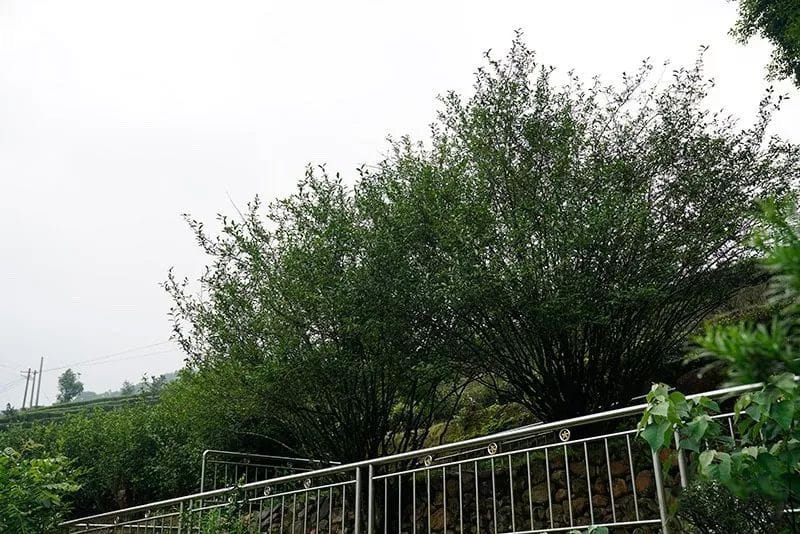
Tieluohan was discovered in the Inside Ghost Cave of Huiyuan rock in Wuyi Mountain; some similar plants also grow in Zhuke rock and Matou rock regions. It belongs to Clone Shrub, middle-leaf Camellia Sinensis. Since the 1980s, the Tieluohan tea tree cultivating scale has been expanded; you can see it in many tea plantations.

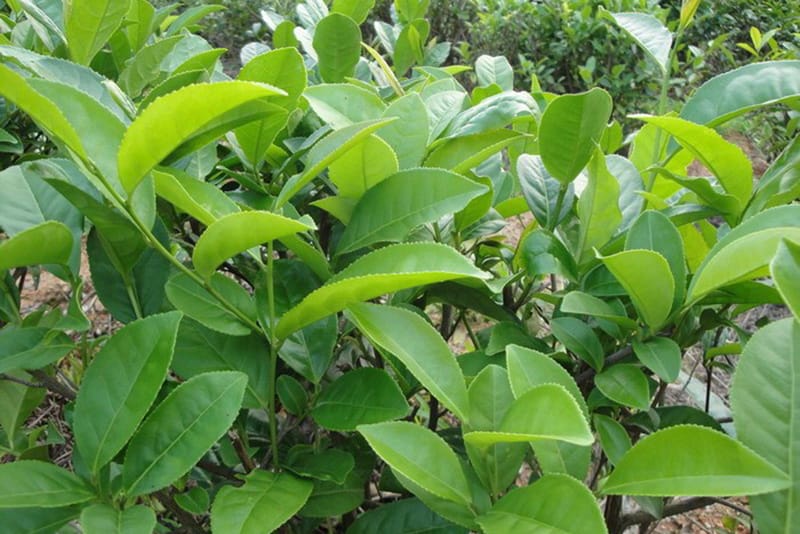
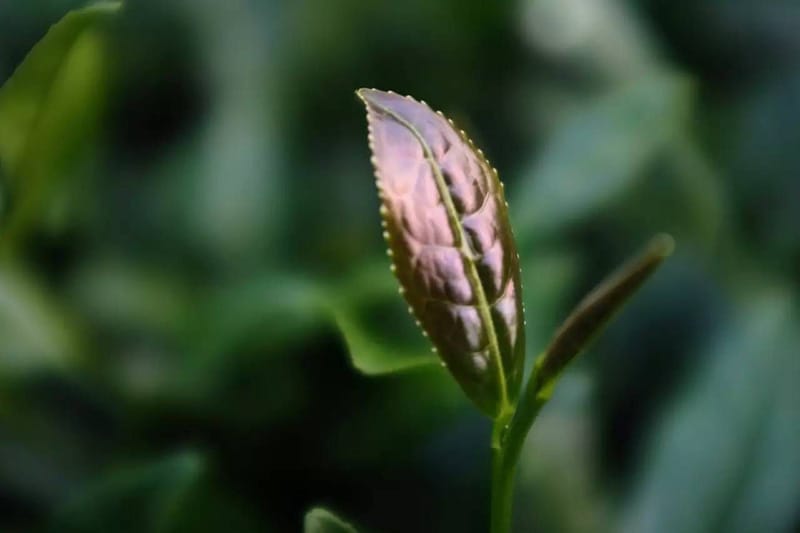
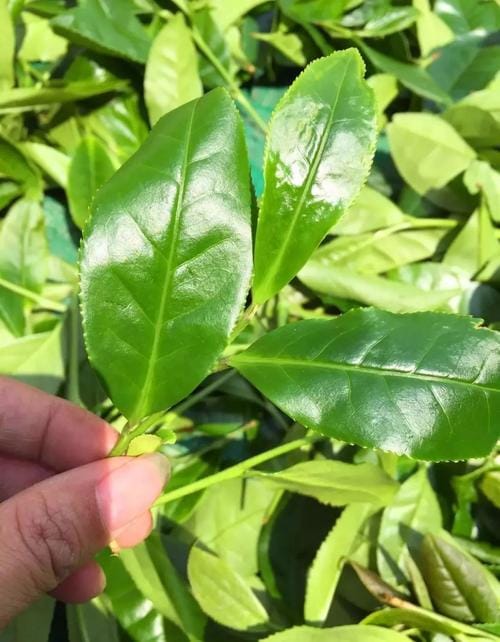
The Tieluohan leaves’ characteristics are apparent. When it still be a tender bud, it shows yellow-green, soft, thick, and with lots of “Hao.” After it grew into a leaf, it becomes flat, thickening, and crisp. You can see the unsharp sawtooth on the rim, and the fuzz also becomes less.

Harvest starts in the spring; the first flush picking takes one bud to the second leaf as standard. At this moment, the leaves contain about 2.9% amino acid, 29.7% tea polyphenol, and 3.7% caffeine. April, the yield increase to the highest, tea masters will take one bud and to the third or fourth leaf as standard; every square in the tea plantation can output about 30kg teas.
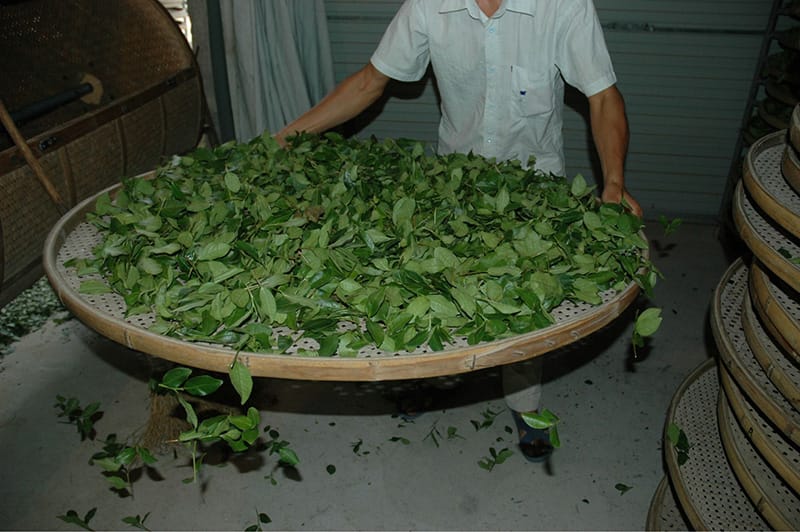
The leaves after picking will be processed into a tea by the following steps:

  • Placing
  • Sunning
  • Shaking
  • Frying
  • Rolling
  • Roast drying

Among them, shaking and frying are the most essential steps of Oolong tea processing. Shaking is for breaking the rim of leaves, making the juice flow out, and leads to a different fermentation degree; that is Oolong tea’s primary characteristic. Frying is for stoping the leaves from fermenting and makes the internal substances transform. The leaves from the great tea trees can develop various flavors by a senior tea master shaking and frying.

Tieluohuan leaves have excellent heat resistance, which makes them can be roasting at a high temperature so that the flavor will become more mellow and plump. The robust TCM(traditional Chinese medicine) scent and the so-called “Yan Yun” (rock flavor) are the Tieluohan tea’s primary aroma.

How Does Tieluohan Tea Tastes Like?

Unlike the Minnan Oolong, such as Tieguanyin tea; the Minbei Wuyi Rock Tea got more mature fruity but less fresh floral. And Tieluohan tea got the most shooting flavor. Just like its name, strengthful, tegrity, and mild.

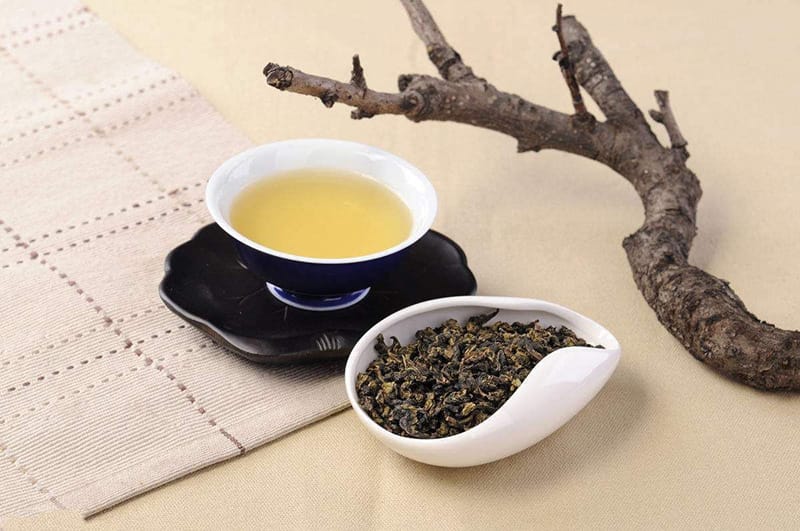
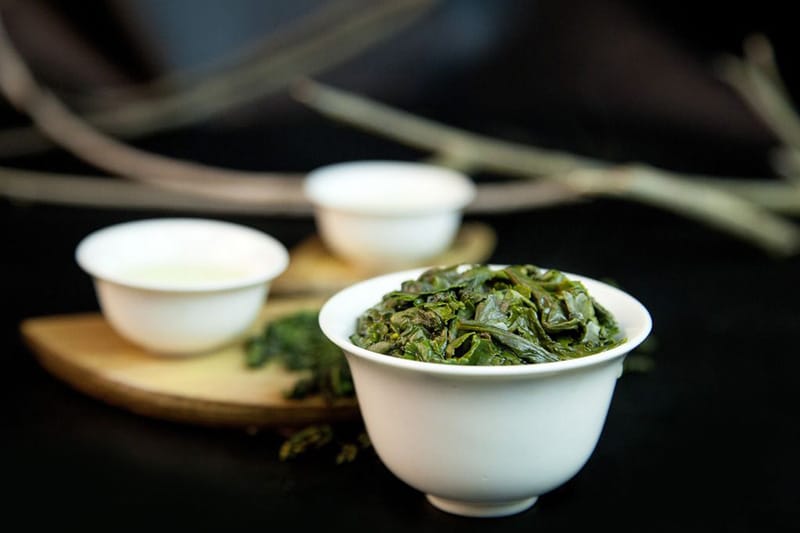
When you unwrap the package, you will found that the Tieluohan leaves are thick, strong, intact, and long, with less crimp. They show dark-brown because they had been deeply roasted. The overlook is really like a Shaolin Monastery warrior monk, giving a stately feeling. And at this time, you may already smell its unique wood-like aroma.

In the Gongfu Tea Ceremony, there is a step special for smelling the dry leaves’ scent. Pre-heat a Gaiwan first, put the leaves in, cover and braise for a while, then open the lid and have a smell. 

If you feel it carefully, you may find the aroma is just like the perfume, which has a structure. The top notes is a rich TCM scent with delicate fruity and slight caramel; the mid notes is the unique Cong Aroma(wooden smell) of Wuyi Rock Tea; the base notes is the old-tree-like, a bit spicy and herbaceous fragrance.

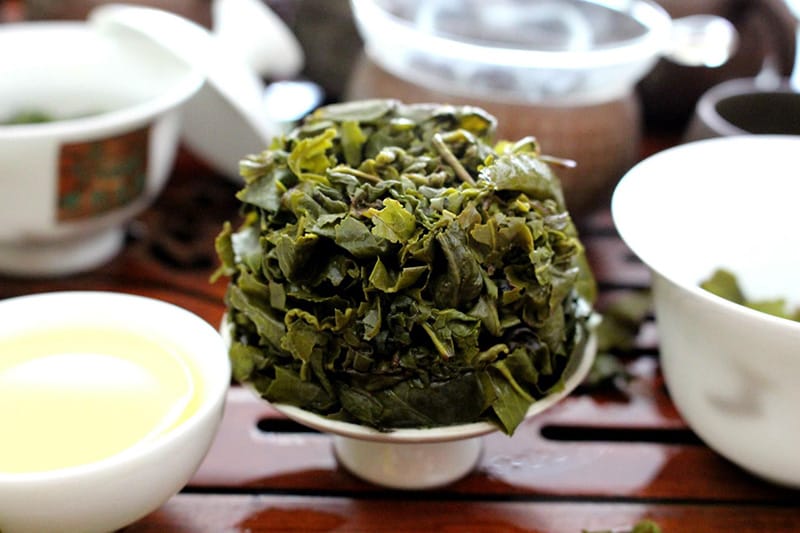
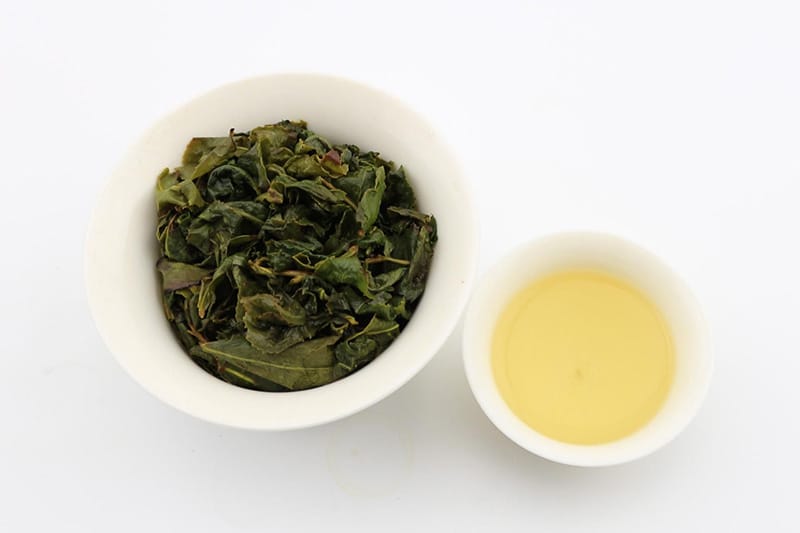
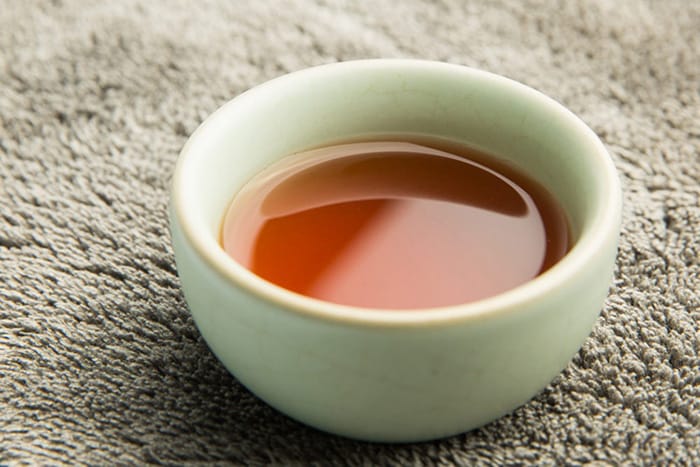
You can’t wait to brew the Tieluohan tea. From a glass fair cup, you can see the infusion is like the liquid amber, bright and thick. The strong TCM scent comes at this moment, smells like the Angelica Sinensis. Having a little sip, the herbaceous fragrance will make you be a mistake for thinking it is TCM, but it is not bitter and astringent. At the same time, you will feel a mineral-like and firewood-like flavor; this is the so-called “Yan Yun”(rock flavor.) This feeling can be described as mild, quiet, and calm.

After the infusion slides down your throat, the characteristic “sweet return” of high-quality tea comes. Floral, fruity, and medicine scent all come and hit your oral, and left a slight sweet in your tongue. Associate with the tea’s name, this feeling is like being in a temple and listening to the monks reciting soul-cleaning sutras.

Tieluohan tea is deserved you a try!
Storage Ways

Tieluohan belongs to partially-fermented tea. Even though some people also aging the Tieluohan tea like dark tea. But, Tieluohan has been deeply roasted; In Chinese Traditional Thought saying, it is with lots of “heat,” specifically, it means the unique “Yan Yun” of rock teas. As time goes, this flavor will lose gradually, which is the so-called”anneal.” The Tieluohan tea without Yan Yun is just like lost the soul. If you are doing wrong in the aging process, the loss will be more significant.

However, compared with the Qing-flavor type Tieguanyin tea, Tieluohan tea doesn’t need to be finish consumed ASAP; like the Strong-flavor type, it can be store for about 2-3 years. During the storing process, pay attention to the followings:

  • Dry
  • Dark
  • A relatively low-temperature (about 27℃)
  • Airtight

Because Tieluohan tea is with “heat,” it can not be allowed to store in a fridge like Tieguanyin; The heat and the cold will be neutralized and break the flavor. Thus, typically keep it under an average temperature is OK.

Generally, an iron-can with excellent airtightness performance will be awesome to store Tieluohan tea; their name also matches. But the metal smell of iron-can may pollute the tea’s flavor; you need to put the leaves in a sealable aluminum package first.

Related Reading: Choose the best tea storage container for loose leaf tea.

How To Make Tieluohan Tea

Tieluohan tea has a deep fermentation degree and has been deeply roasted; it got the Wuyi Rock Tea’s primary feature – resistance to brewing. You can even cook it.

  1. Prepare and pre-heat the teaware. A 150ml porcelain Gaiwan will be a good choice;
  2. Put 8-10g Tieluohan loose leaves into the Gaiwan, add hot water, cover, then put out the wastewater soon;
  3. Refill over 95℃ hot water, cover, steep for about 8-10 seconds;
  4. Pour the infusion into a fair cup to equal the concentration;
  5. Serving;

After the fifth brew, you can extend about 5 seconds for every following brew according to the infusion concentration.

After the third brew, you can keep making Tieluohan tea in a cooking way.

  1. Prepare a cast-iron teapot, fill water to 2/3, heat it to boil;
  2. Transfer the leaves in Gaiwan to the teapot, keep heating for about 30 seconds;
  3. Serving;
  4. Every following brew can extend about 10 seconds heating time;

Sunday, April 18, 2021

Huangjin Gui Tea – An Excellent Oolong Tea Nearly Been Forgotten

 Minnan is a famous Oolong tea-producing region, and the well-known Tieguanyin is originated there. The excellent natural environment in Anxi is very suitable for tea tree cultivation; 6 of 30 national-level eminent tea-plants are from here. However, maybe is the fame of Tieguanyin is too much, many tea lovers do not know there still many awesome Oolong teas in Anxi. Among them, Huangjin Gui tea maybe the most ignored.

Related Reading: Tieguanyin Tea – The Most Popular Oolong With High Orchid Fragrance.

What Is Huangjin Gui Tea

Huangjin Gui, also called Huang Dan Tea, which belongs to Partially-fermented Oolong. Just like Tieguanyin, it’s not only referring to a tea but also a Camellia Sinensis type. No matter the flavor, aroma, and quality, it got a small gap with Tieguanyin. Why do few people know Huangjin Gui tea now? Keep reading.

Names Legends

Huang Dan tea is the earliest name of Huangjin Gui, also called “Aroma Through the Sky.” About this name, there are two legends.

Here is the most approved one, about a happy story of a couple. In the Xianfeng reign of the Qing Dynasty(1860,) a young man married an adorable lady Wang Dan. After a month, Wang Dan brought a tea tree from her home as a gift according to the tradition. The plant was growing much faster than others, and it got ready to be harvest soon. The couple picks the leaves and made them into tea. After brewing, the tea in the cup show light-yellow and sent out a strong osmanthus fragrance, tastes sweet and fresh.

Neighbors were attracted by this tea soon. They asked for some branches for cultivation. Wang Dan pronounces like Huang Dan in the local language, so people called the tea Huang Dan tea. Why say this story is more approved? Because this mother tree survived through to 1967, unfortunately, it was dead by a house collapse accident. Nowadays, only two of the earliest planted in a cloning way survived and took as the mother trees.

The other legend is relatively insipid. It likewise happened in Qing Dynasty, a man named Wei found a tea tree in the mountain, which with a unique and robust fragrance. He picked a branch a brought it home for planting. After making it into tea, the aroma is more potent. He called it Huang Dan because the infusion is yellow(Huang) and taste-light(Dan.)

History

Huangjin Gui Oolong was always sold in the name Huang Dan tea. In 1940, the Jin Tai tea shop in Anxi changed the tea’s name to Huangjin Gui for a good sign; it means the golden(Huangjin) tea with osmanthus(Gui) aroma.

Later, a Fujian tea merchant named Lin set a shop in Singapore, took the Huangjin Gui tea as a brand and the main product. It was said that a major company ever purchased the name right with 300 thousand Yuan; it was a lot of money at that time. Maybe due to this, nowadays, Huangjin Gui tea is much famous in Southeast Asia than in other regions, even its birthplace China.

Tree Variety

In Anxi, there are 4 famous excellent Oolong tea trees. They are Tieguanyin, Huang Dan, Benshan, and Maoxie. Among them, Tieguanyin got the largest number, Huang Dan is second, Benshan and Maoxie have been rare now.

Huang Dan belongs to a clonal small arbor, middle-leaf Camellia Sinensis. Its leaves got a prominent characteristic, they are a slight crimp and with sharp sawtooth on the rim. The fuzz is less, so you hard to see the “Hao” in the final products. The Huang Dan tea tree has outstanding environmental suitability and pests and disease resistance ability; the yield is also high. Some tea masters even make the leaves into black tea or green tea.

What Is The Difference Between Tieguanyin And Huangjin Gui

Compare with Tieguanyin, people who know Huangjin Gui is really less. The reason is easy understanding. Fujian is a famous tea-producing region in China. Except for Tieguanyin, there are also Wuyi Rock Tea, Baihao Yinzhen, Lapsang Souchong, etc. The production resources have a limit; tea masters can’t produce and promote every type of teas well. A niche tea like Huangjin Gui can not get supported well; it makes a vicious circle, getting lesser fame.

Compare with Benshan and Maoxie, Huang Dan is much luckier. Maybe you ever tried it unintentionally. Yes, people still keep cultivating Huang Dan, more is because of its excellent osmanthus-like high-aroma; it is very suitable for making blended tea. Many tea masters will blend it with Tieguanyin to make blended tea for sale. But some dishonest merchants will pose the unsaleable Huangjin Gui as Tieguanyin.

You can distinguish Huangjin Gui and Tieguanyin in the following points:

Huangjin GuiTieguanyin
Aromaosmanthus-like scentorchid-like scent
Flavorwith a little astringent; the soft, smoothness, and purity degree are not as good as Tieguanyinsweet, fresh, mellow, without any astringent (except the Qing-flavor type)
Leaves after brewedthinner, harder, weaker, and a roughnessthicker, softer, and a high resilience
Huangjin Gui Vs Tieguanyin

How To Store

Huangjin Gui belongs to partially-fermented tea. That means it was not fermenting completely; it will keep in a slowly fermenting state and losing its original flavor gradually. Besides, Huangjin Gui tea’s primary characteristic is the delicate and robust osmanthus aroma, the infusion tastes relatively lighter. If to store it wrongly, it will make the scent lose, and the tea will become valueless.

During Huangjin Gui storage, you need to pay attention to the following points:

Airtightness. Huangjin Gui requires to store in an airtight environment. Because the circulating air is rich in oxygen, which will speed up the fermentation and microbial reproduction, leads the tea goes bad and affect the flavor.

Temperature. Just like Tieguanyin, Huangjin Gui needs to be stored in a relatively cold place and can’t be exposed to direct sunlight. The high-temperature also speeds up fermentation and microbial reproduction. You can keep the tea in a fridge. Still, you need an airtight container to avoid being contaminated by the moisture and the smell from other food.

Related Reading: Choose the best tea storage container for loose leaf tea.

Humidity. The air humidity under 60% is the best for Huangjin Gui tea storage. A humid environment makes the leaves go moldy easily and makes them get a damp smell.

How To Make Huangjin Gui Tea

To taste Huangjin Gui tea, experience its high-aroma is the most important thing. Thus, two things are required: a purple sand teapot and a smelling cup.

  1. Prepare and pre-heat the teawares;
  2. Put 7-9g(according to the guest amount) Huangjin Gui into the teapot, add hot water in, cover, then pour out the wastewater soon;
  3. Refill hot water above 95℃ in, cover, steep for about 30 seconds, let the aromatic substances in tea dissolve ample;
  4. Pour the infusion in the fair cup to equal the concentration;
  5. Pour the infusion into every guest smelling cup, let them enjoy the aroma;
  6. Drinking;

One feature of Oolong tea is resistance to brew. Huangjin Gui can be made over 7 rounds of infusion. After the first brewing, every round you can extend about 5 seconds steeping time. Huangjin Gui has a light flavor; the more times it is brewed, the aroma is lost faster. Compare with other Oolongs, the times it can be brewed is less than other oolong teas.

Tieguanyin Tea – The Most Popular Oolong With High Orchid Fragrance

 Do you remember what type of tea your first try is? I guess most people, just like me, is Tieguanyin tea. Its rich floral aroma is so charming, and the cool mouthfeel is very suitable for those who first try drinking tea. Plus, Tieguanyin got a broad market, you can easily buy it on the street or store; no matter high or low-quality ones, it will never make you disappointed.

What Is Tieguanyin Tea

Typically, this excellent tea is also called Iron Goddess/ Buddha or Iron Bodhisattva of Mercy. Don’t be fooled by its green looks; Tieguanyin actually belongs to Oolong tea but not green tea, which originated in Xiping country, Anxi City, Fujian, China. According to historical records, it was invented in Qing Dynasty, about 1725-1735. Be together with Wuyi Rock tea, they are regarded as the Minnan Oolong tea representative.

Legend of The Name

Just like most legends that talk about a man who gets blessed by a devout faith, Tieguanyin tea is also regarded as a gift from god. Guanyin means the Goddess of Mercy in Chinese, and this story happened in Qing Dynasty. A teenager named Wei and his whole family were staunch Buddhists. There was s run-down temple beside his house; Wei served teas and incense to the Goddess statue in there every day and never slacked off. Even though he wants to refix the run-down temple very much, he was poor; these tributes were all he can do.

Guanyin was moved. One night, Guanyin came into Wei’s dream and guided him to the front of a tea tree. Guanyin said, this is a Sin tea tree, you must cultivate and promote it with your heart, it can not only make you fortune, but the great health benefits also can let people far away from diseases.

Wei woke up the next morning, and he really found that tea tree in the mountain. He produces tea with the leaves from that tree, the tea sent lots of orchids aroma; it was very different from other tea types. This tea was popular and made Wei rich. People want to name this tea Wei, the teenager’s name. But Wei was a devout believer, and he was modesty. He decided to call this tea Guanyin Tea. Due to it was frying by an iron pot during processing, the leaves’ look and weight also like iron, finally, the tea named Tie(iron) Guanyin.

Processing

Tieguanyin is not only mean a tea but also refers to a type of Camellia Sinensis. The most famous is the Red-bud Tieguanyin type, which got a red new-born bud, and belongs to the middle-leaf bush. Of course, after years of R&P, tea masters develop lots of varieties of Tieguanyin tea plants.

As an Oolong tea, the processing of Tieguanyin is very complicated; it is up to a dozen steps. And the impressive orchid aroma was made from the processing, without any Artificial Fragrances.

Picking

Unlike green tea and white tea, Tieguanyin picking does not take the tenderest as standard, typically pick the bud and the third to the fourth leaf. It got a unique picking method called “open-face picking,” which is complex but can harvest the best leaves without harming the trees. Thanks to this method, Tieguanyin can be harvested all year round and got a high yield.

Placing

After picking, the fresh leaves will be placed on the square or in a special house. It lets the moisture on the surface get evaporation, low down the high temperature from fermentation, and keeps the leaves fresh.

Sunning

Leaves will be sent to sunning after the short placing. Direct sunlight can further help reduce the water content, enhance enzyme activity, and make the internal material transform. It also will destroy chlorophyll moderately and remove some herbaceous smell.

Placing Again

Tea masters placing the leaves again for cooling down. After 30-60 mins, leaves will be sent to the most essential step – shaking.

Shaking

Shaking is the most essential step in Oolong tea processing. Tea masters put the leaves into a big bamboo sieve, keep shaking and make the leaves crash each other. Thus, the rim of the leaves broke, the juice flows out and covers the surface. The polyphenols and other substances in juice contact with the air and get oxidate to form Oolong tea’s feature – Green leaf with Red edge. The unique aroma and flavor also come from here.

Frying

Then tea masters will put the leaves into a big iron pot for frying. Use the heat to inhibit the enzyme activity, stopping the leaves from fermenting, and remove the herbaceous smell. Due to the leaves are not fermented completely, so Oolong tea is also called partially-fermented tea. 

Nowadays, most tea factories will fry tea by a machine.

Rolling

Rolling is for shaping the leaves; crimp the leaves into strips by a machine.

First Drying

Use high temperature to dry the leaves by a machine, further inhibiting the enzyme’s remnant activity, evaporating most of the water, and making the juice solidify on the surface.

Package Rolling

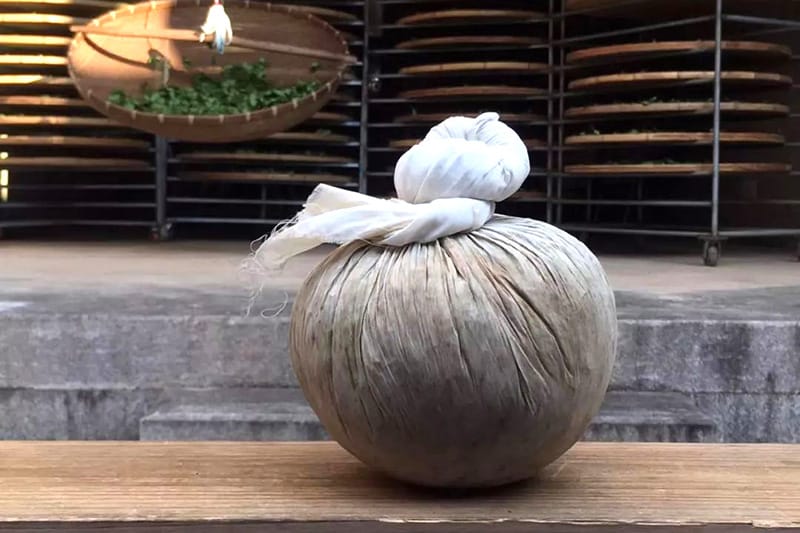
Put the dry leaves in a cloth bag, rolling by a machine, let the leaves become tighter, and crimp into a small ball shape.

Unblocking

The leaves will secretion some juice during the package rolling and make them stick together into a block. Tea masters need to unblock them again for the following process.

Drying Again

This is the last step in Tieguanyin tea primary processing. Dry the leaves to a standard dryness for better storage. Simultaneously, the leaves’ internal substances will be further transformed, such as the tea polyphenols oxidation, the caramelization of the sugar, which creates the unique flavor and fragrance.

Placing Again

After drying, leaves need to be placed again for a while to let the temperature cool down naturally and quickly to prevent the flavor from losing.

Sorting

Sorting belongs to the Tieguanyin further processing. Tea masters will sort the leaves carefully, remove the broken and bad ones and most tea stems. What is worth knowing, just like Shoumei tea, most Tieguanyin teas are with stems; It doesn’t mean it has a low-quality. Some tea stems that filter out will be sold separately; they are the cheap-drinks that serve customers in many Chinese food stalls.

Tieguanyin Varieties

Even though Tieguanyin belongs to Oolong tea and a relatively short history, tea masters keep study and improve it because of the excellent quality. They developed many Tieguanyin varieties.

Tieguanyin tea is typically classified according to the origin region and the flavor type.

By origin

Anxi Tieguanyin

Anxi is located in the southeastern Dai Yun mountains, with the northwest’s high terrain, southeast low, round by mountains. There are more than 3000 mountains over 1000 altitude, protect the interior from sea breeze attack suffering. The climate of Anxi belongs to the south subtropical Marine monsoon climate. It is warm and moist, the annual average temperature is between 16 and 21℃; the sunshine duration is long, more than 260 days over 10℃. Not hot in summer and not cold in winter.

It is widely believed, the tea produced at a higher mountain got better quality. Although there are many high mountains, Tieguanyin tea is less planted at cultivations over 1000 altitude. But due to the comfortable climate, tea trees are growing strong. Especially in the low-temperature period, the buds still grow slowly; it helps synthesize sugar, amino acid, and aromatic substances.

Muzha Tieguanyin

Taiwan Oolong tea is closely related to Fujian Oolong tea. Everybody knows that the Fujian immigrants brought the tea trees and processing methods of Oolong tea to Taiwan. In 1919, the Zhang brothers of Taiwan Muzha Tea Company brought 1000 Tieguanyin tea trees from Anxi and cultivated them in Muzha; it started the planting history of Tieguanyin in Taiwan.

Even though the environment of Anxi and Muzha are similar, the Tieguanyin they produced are very different in flavor. Muzha Tieguanyin got a longer rolling time. And during rolling, leaves will be baked by a charcoal fire, making the leaves a strong roasting flavor. And due to the final product looks like a ball, so it is also called Ball Baozhong Tea.

By flavor

The Tieguanyin tea sold on the market is primarily classified into four by flavor; you can easily choose one suitable to your taste.

Qing-flavor Tieguanyin

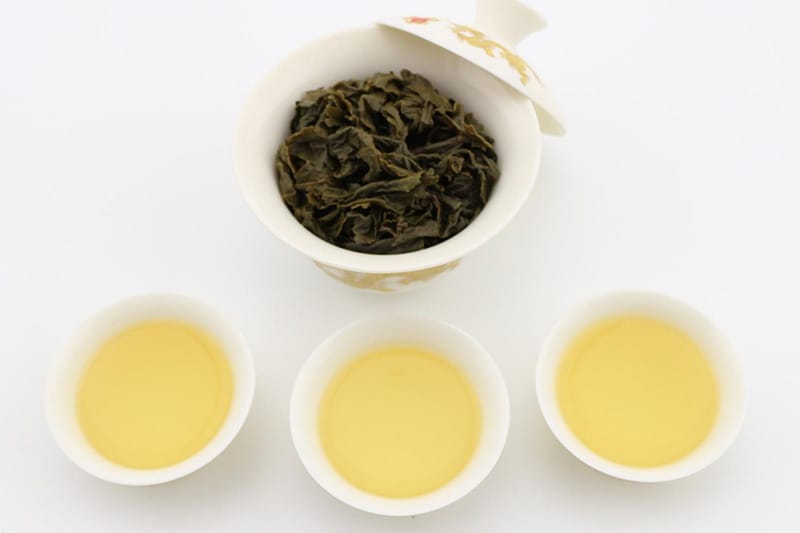
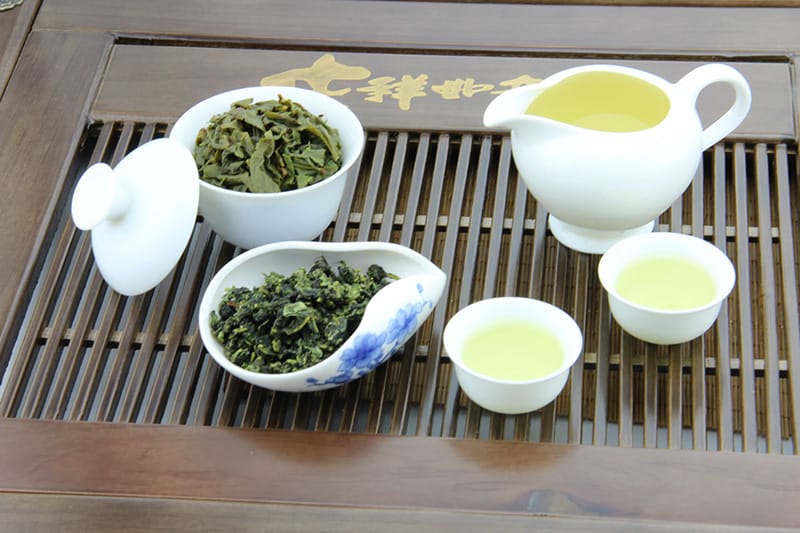
Qing-flavor Tieguanyin is popular in recent years. It got a light fermentation, fresh leaves, and clear infusion are its features. We may ever saw “Tuosuan,” “Waisuan,” “Qingsuan” are all its subtypes. No matter before or after brew, its leaves are always green, like just pick, also the infusion. The aroma is strong and fresh, a light taste with a litter herbaceous. It is very comfortable for the one who first tries on Tieguanyin, especially a green tea lover. Worth knowing, Qing-flavor Tieguanyin needs cold storage.

Strong-flavor Tieguanyin

Strong-flavor Tieguanyin tea is produced in the most traditional way. The leaves are a little dark-yellow, infusion shows golden. Due to the deep fermentation, strong-flavor Tieguanyin tastes more mellow. Even though it is not the most beautiful-look one, it got the most authentic flavor, and it’s the most senior tea lovers’ favorite.

Roasted-flavor Tieguanyin

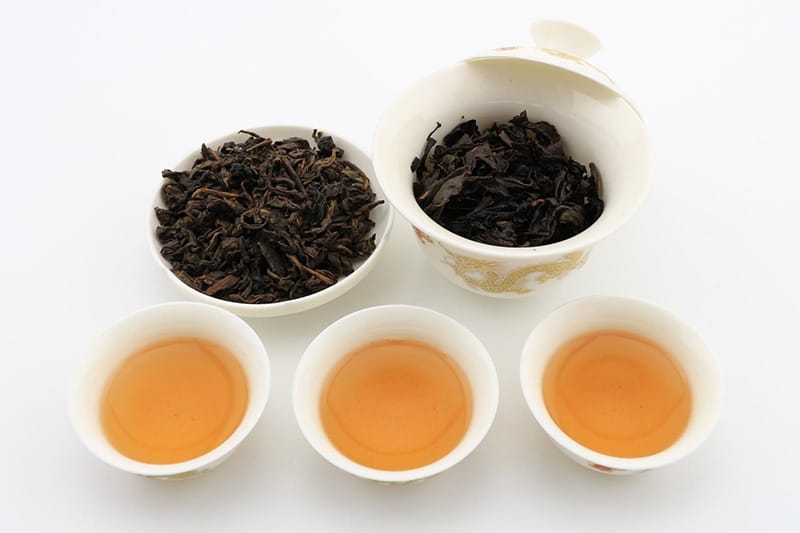
Roasted flavor is the main feature of Taiwan Muzha Tieguanyin. Based on the traditional Tieguanyin processing method, charcoal roasts for 5-12 hours to get a roasted flavor, similar to the Lapsang Souchong tea. The roasted-flavor Tieguanying got the most strong mouthfeel, with a pungent and soft fragrance. After the infusion slows down your throat, it will leave a unique sweetest, called “back-turn sweetness.”

Some tea lovers will take long-term storage for Strong-flavor Tieguanyin. Every once in a period, they put it out and bake it to remove the moisten. After several times baking, the leaves also turn into a roasted flavor.

Aged-flavor Tieguanyin

Aged-flavor Tieguanyin typically refers to the one which has been store for over 5 years. The aging theory is like white tea – most come from the internal substances transforming. And, every once in a period, the leaves must be roasted to remove the moisten. So the Aged-flavor Tieguanyin tastes more robust and mellow.

Aged-flavor Tieguanyin primary comes in 3 ways:

  1. Produced and aging by the tea factories;
  2. Aging by tea lovers themselves;
  3. The backlog inventory in tea factories;

Except for the second, the other twos are not welcome, especially the backlog inventory teas; their quality is low. If you want to feel the charm of Aged-flavor Tieguanyin, the best way is to aging it by yourself.

Tieguanyin Benefits

Except for the excellent flavor, as a health beverage, Tieguanyin tea also can bring many benefits to your health. Most of them come from the tea polyphenol:

  • Antioxidation
  • Anti-inflammatory
  • Potential Anti-cancer
  • Weight Loss

Related Reading: Healthy Tea Diet: What Are Tea Polyphenols & 8 Excellent Benefits.

Due to the leaves are from Camellia Sinensis, Tieguanyin tea contains caffeine naturally. Having a cup in the morning or afternoon, the high-aroma and caffeine can wake your brain up quickly, make you better work, and freshens your breath.

Worth knowing, in Traditional Chinese Medicine, Tieguanyin tea is famous for its reducing heat and digestive effects. In Guangdong, people love to “Yum Cha(having breakfast, tea, and chatting)” in the tearoom in the morning. Tieguanyin is always on the menu with Pu-erh tea because they are good at helping digestion and remove the oil feeling in your mouth.

Potential Side Effects

Likewise, due to the caffeine factor, having Tieguanyin is easy leads to insomnia, and the fragrance also animates your brain. So it is not recommended to have Tieguanyin before bed, especially the one who sensitive to caffeine.

Besides, TCM considers that Tieguanyin has very irritating to the stomach. People who have a weak stomach are not recommended to try; it’s also not good to drink it on an empty stomach.

Storage Way

As a partially-fermented tea, it’s better to finish consuming Tieguanyin ASAP to experience the best flavor. Tieguanyin tea got a short expiration date, about 3 months, and then it will soon lose most of the fragrance. If to store it correctly, the expiration date can get longer. But the difficulty is, different types of Tieguanyin got a different storage way.

To the light-fermented Tieguanyin, like Qing-flavor type, it’s better to finish consume quickly. Most of the products will take a small individual vacuum-sealed package. You can put them into a tin container, then put them into a fridge for cold-storing.

The Tieguanyin, which has been deep fermentation and roasting, got a more extended expiration date, even more than ten years. Of course, except to put it in a closed, dry, dark, and cool environment for storing properly, you also need to take them out for rebaking every once in a period to remove the moisten that leaves absorbed from the air. This operation requires specialized knowledge and related tools; a beginner will be hard to do well.

Related Reading: Choose the best tea storage container for loose leaf tea.

How To Make Tieguanyin Tea

Fujian people like to making Tieguanyin in a Gongfu Tea way, and you can know more here. In ordinary time, we can make Tieguanyin in a simple way.

  1. Prepare and pre-heat the teaware. Except for the metal teapots, other types of teawares are good choices. A porcelain Gaiwan is recommended;
  2. Put 7-8g Tieguanyin into the Gaiwan, add hot water, pour out the wastewater quickly after 1 second;
  3. Refill 100℃ water again, cover and steep. The light-fermented Tieguanyin needs to steep for about 15 seconds, and the deep-fermented one needs about 30 seconds;
  4. Pour the infusion into a fair cup to equal the concentration. Pay attention, you need to pour out all the infusion in the Gaiwan every time, never left even a drop. The left hot water will keep heating the leaves so that they will turn yellow and the flavor goes bad;
  5. Serving;

Tieguanyin also got a feature called “full-aroma after seven brews,” which means it is resistant to brew. After the second brew, you can extend 5 seconds on the steeping time every following round. But there are many low-quality Tieguanyin on the market; most of the time, they will lose all the flavor after 3 brews.