Saturday, February 29, 2020

Know about the black tea grades: What are the letters on the package mean?

Black tea has different grades according to the shape, size, and quality of tea leaves
Many black tea lovers have encountered similar situations. Some black tea packages contain “OP,” “FOP,” “FTGBOP,” “FTGFOP,” and other confusing letters, but don’t know what they mean. In fact, these letters, is the international black tea grades code, on behalf of the identity and status of black tea.
So how do we understand the black tea grades these letters represent?
First of all, you have to understand the picture below, and this picture shows the name of each piece of tea leaves, the lower down of the plant, the bigger the tea leaves, and the harder the texture.
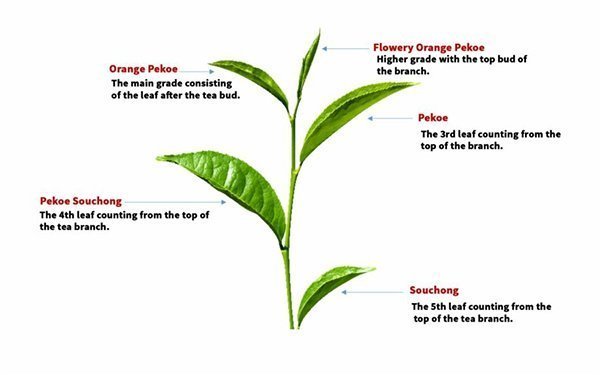
The different position of black tea leaves

Black tea position

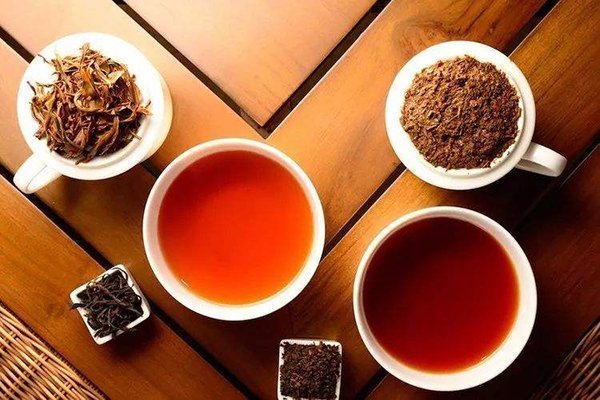
The position here means the different shape and size of tea leaves, but not the quality of tea. The traditional black tea process method can be divided into four grades according to the size of tea leaves: Whole-leaf tea, Broken-leaf tea, Fanning tea, Dust tea.
It should be noted that many people think that dust tea is made from very cheap black tea, but in fact, dust tea is made from both high-quality tea and low-quality tea, and the same is true of whole-leaf tea.

Black tea grades

Black tea grades mean the quality of black tea. This is a rating standard based on the quality of the black tea given in combination with the position of the tea. Grades are based on the quality of the tea buds, the percentage of buds in the tea, and the color of the buds. Generally, the more letters on the package of a product, the higher the grade.
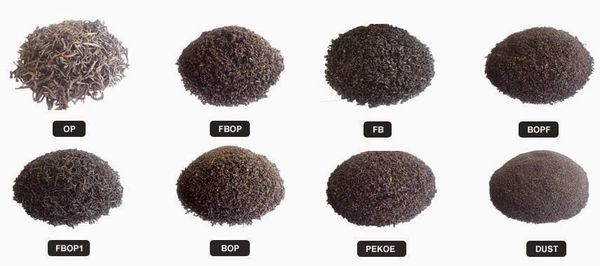
Common black tea grades

Whole-leaf tea

As the name suggests, the tea leaves that have not been crushed completely. It contains slender buds like needles, taste well. After steeping, the tea leaves will unfold into a whole leaf. The size of the tea leaves is 7-30 mm. The whole-leaf tea can be divided into four grades: OP, FOP, TGFOP, and FTGFOP from low to high.
  • OP means Orange Pekoe. Which the tea leaves are long and complete.
  • FOP means Flowery Orange Pekoe. The orange pekoe tea with flower aroma.
  • TGFOP means Tippy Golden Flowery Orange Pekoe. The orange pekoe which is made by common buds, golden colors and with a floral aroma.
  • FTGFOP means Fine Tippy Golden Flowery Orange Pekoe. It is composed of the finest buds, golden crushed orange pekoe.
Besides, some tea garden adds an “S (Special)” before the top grade black tea, or a “1” at the end, to indicate the highest grade.

Broken-leaf tea

Broken-leaf tea is from the whole-leaf tea crushed. Usually, the length of tea leaves is 2-3 mm, if the tea bud tip is more, the name will be added with “Tippy,” also, the longer the letter, the better the quality. Broken-leaf tea can be divided into 3 grades from low to high: BOP, TGBOP, FTGBOP.
  • BOP means Broken Orange Pekoe. The crushed orange pekoe, strong flavor, generally suitable for steeping milk tea.
  • TGBOP means Tippy Golden Broken Orange Pekoe. The crushed orange pekoe contains many golden tippy buds.
FTGBOP means Fine Tippy Golden Broken Orange Pekoe. The crushed orange pekoe contains the best golden buds.
Fanning tea and Dust tea
These two black tea grades, Fanning tea and Dust tea, are mainly used to make tea bags. They are also used for daily milk tea steeping in South Asian countries, which is relatively rare in other countries. Fanning grade tea, has a strong flavor, add milk and sugar, can give a strong thick feeling.

Choose suitable black tea grades for yourself
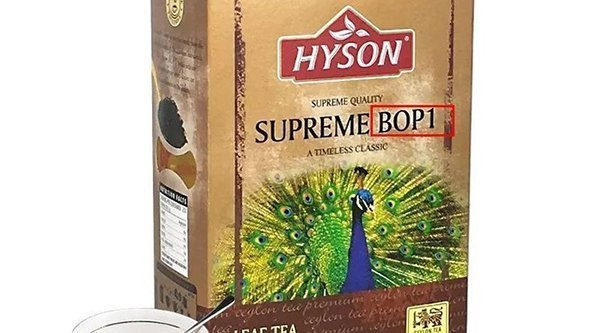
Choose the black tea grades according to the letters on the package
There is not an absolute relationship between the grade and quality of tea. What the funny is, the more letters on the package, the more expensive it is. The most important thing is to choose the suitable grade of black tea according to your own taste and steeping way.
Such as Sri Lanka’s uva black tea, because the feature is the stable and intense aroma, if you want to steep milk tea, you must choose the finely BOP; As a result, whole-leaf grades of uva black tea are rare, and the evaluate and price are lower than BOP.
Besides, although the classification of black tea is universal, but not every black tea producing area has so many grades. For example, Ceylon tea, the most common only BOF, BOPF grade, OP, FOP grade is also scarce. Black tea produced in China is mainly sold domestically, so the universal grading standards are rare in China.
India, the world’s largest producer of black tea, has the most various classification and grade of black tea. However, if you buy black tea directly from Darjeeling tea garden, the highest grade just only FTGFOP. As for the letter with “S,” it was added by local merchants in the tea market of Calcutta.

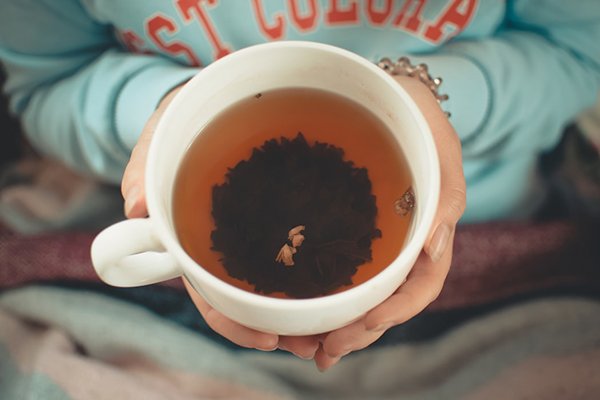
Drinking hot tea may increase your risk of esophageal cancer 8-fold

Many people like drinking hot tea. People who studied tea know the proper water temperature for tea steeping and treat it differently according to different tea varieties to ensure the best steeping quality. But few pay attention to the temperature at when they drink it and even think the question ridiculous.
Why should we pay attention to the temperature at drinking tea? Many people will drink tea at once after steeping, and even it is scalding. In fact, the temperature of tea needs to be taken attention, not only related to the taste of tea but also possibly related to your health.
Many people like drinking hot tea

The view of modern medicine

In September 2011, the famous British journal “British Medical Journal ” published a research report ” Hot tea and increased risk of esophageal cancer “. Because of its authoritativeness, the report caused a great deal of excitement in Europe, where black tea is a popular drink.
Researchers in 48,582 people into a questionnaire analysis of the relationship between drinking hot tea and esophageal squamous cell carcinoma, according to the screening of 300 patients with esophageal cancer statistics, they usually have the habit of regular drinking of black tea, but the risk of esophageal cancer has nothing to do with the amount of tea they drink but only with the temperature of the tea.
According to the results of the study, people who regularly drink hot tea have an 8-fold higher risk of esophageal cancer than the general population; The risk of esophageal cancer that of those people who drank between 65 ° c and 69 ° c, was twice compared with those who drank below 65 ° c; Drinking the tea that is less than two minutes just steeped, is 5 times more dangerous than the tea steeped after four minutes.
Unfortunately, this report does not give specific answers about the optimal temperature for tea drinking, but generally, it is not good to drink the tea more than 70℃. Therefore, many scholars have given their own research conclusions based on this research report and recognized that the best temperature for tea drinking should be around 60℃. So is this the most scientific answer?
Drinking tea with a high-temperature may harmful to your esophageal
Drinking tea with a high-temperature may harmful to your oesophageal

The ability of esophagus mucous membrane to drinking hot tea

In fact, the key to the healthiest tea drinking temperature is not the tea temperature itself, but the ability of the esophagus and stomach mucosa.
According to medical experts explain that the most lateral esophageal composed of the mucous membrane, it is a layer of epithelial tissue and connective tissue composed of membrane structure can secrete mucus, is the human immune system’s first line of defense. But it is very fragile, can only withstand the temperature of 50 ~ 60℃, beyond this temperature, the mucosa of the esophagus will get scald, and the tea just steeped temperature is as high as 80℃-90℃.
According to medical theory, once the mucous membrane burns, in order to repair these injuries in time, the epithelial cells of the esophageal mucous membrane will speed up reproduction. If often eat hot food, mucous membrane injury has not been repaired and get scald again, can form a superficial ulcer. Repeatedly scald and repair will cause changes in the mucous membrane further development into cancer.
So the medical expert gives an answer, to eliminate the esophagus cancer that overheats food causes, have a meal, drink water all should not be too hot, soup hot tea hot coffee hot milk had better cool to 40℃ or so when drinkable.

The view of Chinese medicine

People who love hot tea will often defend themselves in this way, the fragrance of tea only can be tasted while at a high-temperature. Except for the question of the stimulation of cold heat to esophagus mucous membrane, is it really that the tea in a high-temperature taste most delicious? This is a very good question to discuss. A lot of practical experience tells us that hot tea can release the most intense aroma, but the taste is no different from the slightly lower temperature.
The traditional Chinese medical advice for tea drinking is –warm. Tea which is not too cold or too hot is best to drink. Cold tea easy to grow phlegm, hot tea will hurt the stomach; And warm tea is the healthiest, can regulate the body Yin and Yang balance, help detoxification.
Should not drinking hot tea just after steeping

Conclusion: let the tea cool for 5minutes after steeping

In conclusion, it may not be possible to give a standard answer to the temperature of the tea. But one thing should be clear: drink the warm tea is the best choice, cool it down after steeping for 5minutes and then taste. Taste delicious tea at the same time, also need to consider the ability of esophagus mucous membrane, so warm tea is the healthiest choice.

Wednesday, February 26, 2020

Why not recommended to use a vacuum flask to steep tea

Use a vacuum flask to steep tea is very convenience
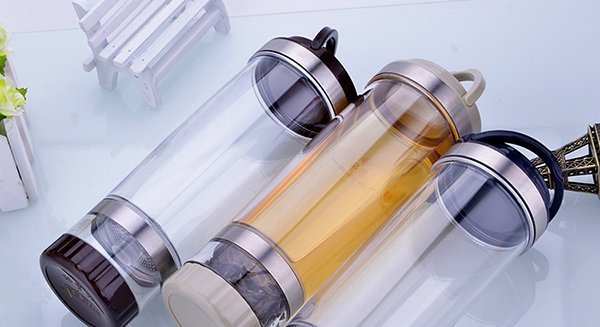
Many people who work in the office, in their free time will directly use a vacuum flask to steep tea, a bottle of tea can drink for a long time. Especially in winter, they think it is convenient and they can taste hot tea at any time.
In fact, using a vacuum flask to steep tea may not only waste the tea, but also not taste the original taste of tea, and may have adverse effects on the body.

Why not recommended to use a vacuum flask to steep tea? There are 3 reasons:

1.     The effects on the original taste of tea

Because the insulation effect of the vacuum flask is excellent so that the water can keep a long time of high temperature. Under the continuous steeping with hot water, the aromatic substances of tea will be volatilized quickly, reducing the fragrance of tea. At the same time, high temperature can also make tea polyphenols, such as leach too much, so that tea color thick, bitter taste, and a taste like over-cooked.
In particular, the use of vacuum flask steeping such as green tea and other non-fermented tea will make the tea with an over-cooked taste, tea lost its aroma and turn to a dark color. If you must use a vacuum flask to steep tea, choose a complete fermentation tea such as black tea.

2.     Reduces the health benefits of tea

As a result of a long time steeping, the tannic acid, tea polyphenols and other nutrients in the tea will last separate out excessive, and then occur oxidation reaction, resulting in bitter taste and waste of tea nutrients.
This happens not just with green tea, but with any tea which steeped in a vacuum flask for a long time. Therefore, tea should not steep for a long time, drinking after steeping in time, in order to experience the real taste of tea and get its nutritional value.

3.     Easy to produce tea stain and not easy to clean

Tea long time steep in the cup will cause tea stain, often use a vacuum flask to steep tea, after a period of time the vacuum flask inner wall will accumulate layers dirty tea stain, and not easy to clean.
Using high-temperature water to steep tea a long time will make tea lose its aroma and taste, and if there are layers of tea stain in the inner of vacuum flask at the same time, the taste of tea will be worse and not healthy.

Glass teacup is recommended

To sum up, the conclusion is not recommended to use a vacuum flask to steep tea. People who work in offices can choose glass teacups for convenient to having hot tea. The glass does not produce toxic chemicals when it is fired, so you don’t have to worry about any toxic chemicals getting into your body when you use it to steep tea or drink water.
And glass tea can not only see the process of steeping tea, the scene of tea dancing in the water, but also can clearly see the color of tea, but the glass is fragile and too hot to hold with hands.

Silver Teapot Turns Black, Is It Still Safe For Use?

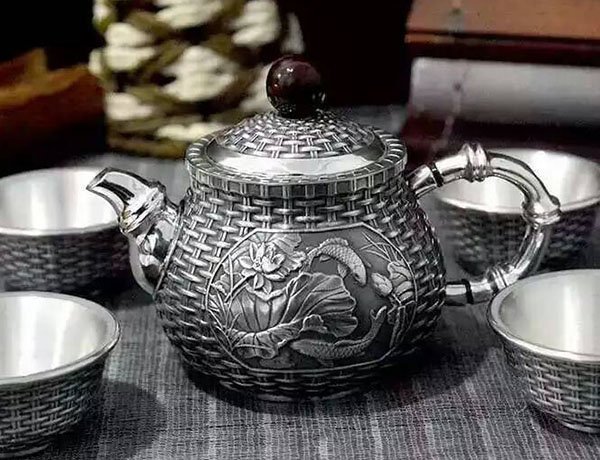
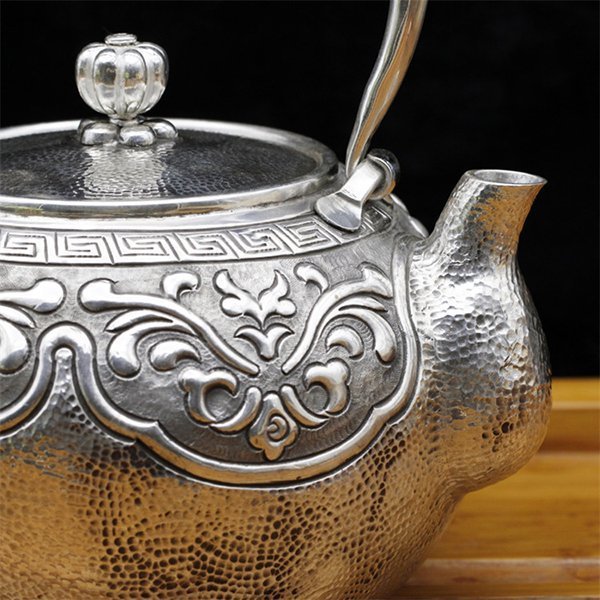
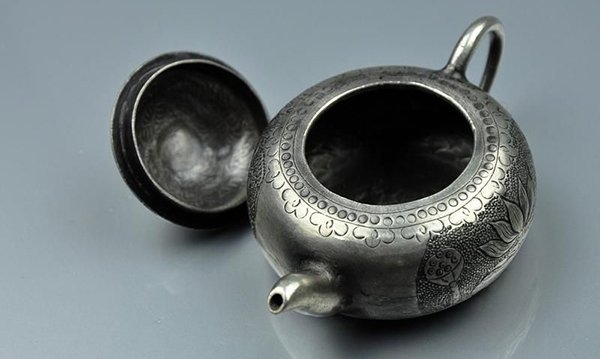
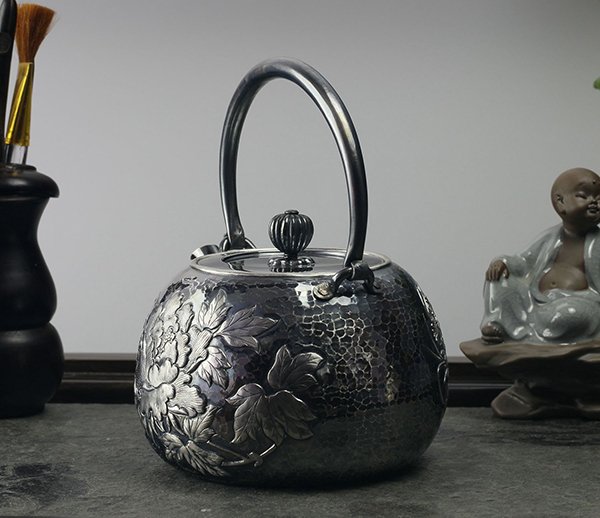
The silver teapot is a kind of teaware, also a work of art collection.
Some people think that silver is a heavy metal and worry about heavy metal poisoning.
Is that genuinely safe for using a silver teapot?
Absolutely Yes!
After learning the silver teapot, you will find that it is safe, and even got some great benefits for the human body.

What’s The Benefits To Using A Silver Teapot For Brewing Tea

Softening Water Quality

As a teapot, we use it for boiling water when steeping tea.
We know that the quality of water will influence the taste of tea. And use silver to boiling water can improve water quality.
During the heating process, the silver teapot will release a small number of silver ions.
The silver ions exchange with Calcium and Magnesium Carbonate compounds in the water(also the primary reason cause scale) to reduce the water pH and make it taste sweeter.

Bactericidal Effect

The silver ions released when heating, has the characteristics of high stability, low activity, fast heat conduction, and not easy to be corroded by chemical substances.
The positively charged silver ions produced in the water can absorb the bacteria and seal off the enzyme system on which they live, making them inactivated to achieve the effect of sterilization.
A mere 50-millionth of a milligram of silver ions per liter of water is enough to kill most bacteria in the water.

Why The Silver Teapot Turns Black

After using several times, some people are confused that they found their silver teapot turns black.
In the beginning, there are only some green spots on the silver teapot surface. By the time grows, the green spots begin to turn to black, and spread to the whole silver teapot.
What is going on?
After placing or using for times, the silver will be oxidized. And the color will turn green to black slowly. That’s a normal and natural phenomenon.
Under general circumstances, silver is chemically stable and does not react with oxygen in the air.
But when it comes to sulfides, it becomes very active. The silver is easy to oxidize with the sulfur in the air, and the sterling silver turns to silver sulfide, which is black.
For example, if we wear silver bracelets to soak in hot springs, the bracelets will turn to black quickly.
And will the blackening of the silver teapot harmful to our health?
It will, but it does not matter. Such a little silver sulfide will not be a big hurt to our health.
But the best thing we need to do is to clean up the blackening of the silver teapot on time.

How To Clean Up The Silver Teaware Blackening

  • Use the combination of the silver polishing cloth and the polishing stick. First, use the polishing stick to wipe the oxidized part. Then use the silver polishing cloth to wipe the whole teapot.
  • Dab some toothpaste on a soft toothbrush and gently wipe the blackened surface of the silver teapot. After wiping off the oxidized black spots, wash out the foam with water, then dry the water with a soft dry cloth.
  • Wrap the silver teapot in aluminum foil with soda powder, put it into a pot, boiling with water for a while. Because aluminum foil is more reactive than silver, a replacement reaction occurs between them and take the silver sulfide away.

How To Use The Silver In A Right Way

The silver teapot is so exquisite that we should pay great attention to it when using it. Anyway, it’s costly, and also has a very high collection value.
  • When using it the first time, you should wash it up with warm water.
  • The silver teapot is suitable heating by the electric ceramic furnace or electric carbon furnace, try to avoid using fire heating directly.
  • Don’t let the water level cross over 80%.
  • During heating, supplement water in time when you find the water in the silver teapot is going dry.
  • Every time after using, clean it and dry it up with a soft cloth.
  • Once you find the black spots appear on the silver teapot surface, clean them up quickly.
  • If you not use the silver teapot and going to place it for a long time, wrap it with a dry paper and place it in a ventilated environment.

Saturday, February 22, 2020

Ceylon Tea: The Health Treasure of Sri Lanka

Sri Lanka is famous for its unique Ceylon tea
Sri Lanka is an island nation off the coast of India, which is one of the world’s largest tea producing countries. Sri Lanka is famous for its Ceylon tea, a unique tea that is grown only in their country; it helps to set it apart from other larger tea producing countries.

What is Ceylon tea?

Ceylon tea takes its name from Ceylon, the name of Sri Lanka before it became independent from British rule in 1972.
The seeds of the original tea tree were brought to the island in 1824. At first, they had nothing commercial value, because cinnamon was a main government-backed crop. After the economic crisis sapped demand for spices, farmers turned to grow coffee, but the attempt didn’t work either. As a result, the country chose to try growing tea as the main commercial crop.
In 1867, James Taylor, known as the “Father of Ceylon Black Tea“, took the lead in introducing tea tree seeds and planting technology from India. He planted tea trees in Kandy tea district and successfully shipped his first batch of goods to London in 1872. Ceylon black tea has become popular since then.
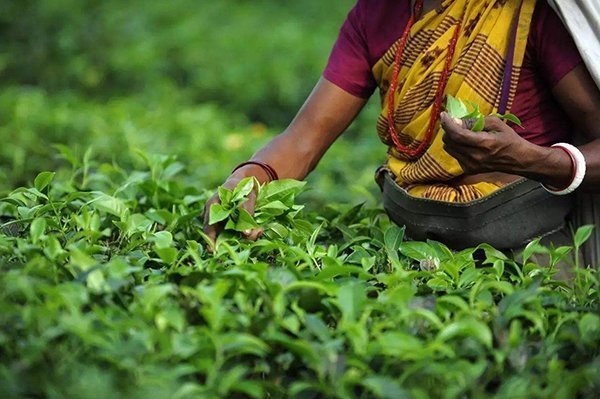
Sri Lanka farmer is picking Ceylon tea

Types of Ceylon tea

Ceylon tea types vary widely depending on the location of the tea plantation. Tea plantations are classified by altitude in Sri Lanka.

High-grown Tea

Highland Ceylon teas are grown in tea gardens above 1,200 meters in altitude. Tea grown at high altitudes has a dark brown appearance, the tea it steeped is light and elegant. These teas are considered to be of very high quality but also be quite expensive, which are considered more aromatic and sweet than other Ceylon teas.
The Nuwara Eliya region in central Sri Lanka is known for producing excellent quality of tea throughout the year.

Middle-grown Tea

Middle-grown tea is grown in tea gardens above 600-1200 meters in altitude, the well-known producing district is Kandy. Middle-grown tea has both the characteristics of high-grown tea and low-grown tea, rich in aroma and lasts a long time, has its own unique taste.

Low-grown Tea

Low-grown tea is grown in tea gardens which below 600 meters in altitude, such as Galla tea garden. The low-grown tea usually has a beautiful copper color, a large yield and a strong flavor, and is often used to blend with other teas or plants to make flavoured or blended tea.

The nutritional content and caffeine content of Ceylon tea

Ceylon tea is widely praised for its high polyphenols content. Polyphenols are the compounds which mainly from natural plant food, with antioxidant effects. They are found in organic chocolate, certain fruits and vegetables, and extra virgin olive oil, but tea is regarded as the main provider of polyphenols. Rich polyphenols make tea take so highly valued.
In addition to antioxidants, Ceylon tea also contains caffeine, just like other types of tea. A 7-ounce cup of Ceylon black tea contains 58 milligrams of caffeine, compared with half the amount found in green tea. And white tea can contain anywhere from 6 mg to 75 mg of caffeine, depending on where it produces.
This range of caffeine amount is generally safe for most adults, because the Dietary Guidelines Advisory Committee (DGAC) found that 400 mg of caffeine intake per day will not be harmful to health.

Benefits of Ceylon tea

Ceylon tea has a beautiful copper color
One of the best value of drinking tea daily is the rich benefits it can bring to your health, especially in the case of Ceylon tea. Because of the climate and geographical conditions, Ceylon tea has unique due to its diverse flavor and nutritional content, rich benefits to the human body:

A healthy weight loss tea

Drinking Ceylon tea boosts your metabolism, which helps your body burn fat faster. Ceylon tea also lows in calories, it is a good drink for those who care about their calorie intake.

Improve your immune system

Ceylon tea contains a variety of antioxidants, that help slow the number of free radicals increase throughout the body. That helps your immune system to focus on doing its job of fighting off pathogens.

Keep your heart health

Ceylon tea is rich in potassium, a nutrient associated with a healthy cardiovascular system. As a vasodilator, potassium helps your blood vessels relax, so that stabilize your blood pressure levels.

Bring you energy

Ceylon tea is made from caffeinated tea plants, so the tea it is steeped from also contains a certain amount of caffeine. For those who don’t like the taste of coffee, but need caffeine to refresh in the morning, Ceylon tea is the perfect alternative.

Get healthy skin

Scientists have proved that antioxidants found in Ceylon tea, can help prevent the loss of collagen due to oxidative stress. Collagen is an essential protein critical to skin structure, so Ceylon tea can take an effect in getting healthy skin.

Preventing diabetes

Drinking Ceylon tea may help manage blood-sugar balance, give better help with diabetics. And by maintaining healthy blood-sugar balance, the risk of diabetes-related complications may be reduced.
Ceylon tea for afternoon tea

Common side effects of Ceylon tea

For example, drinking too much Ceylon tea can cause a range of problems, from mild to severe, such as:
Headache → Nervousness → Insomnia → Vomiting → Diarrhea → Heart rate instability → Heartburn → Mental derangement
If those above happen on you, seek medical attention, and receive treatment immediately. Also, stop drinking Ceylon tea to prevent it keep harming your health.
Pregnant women should not drink Ceylon tea or any other caffeinated beverage because it can seriously affect the health of their unborn child.
Studies have shown that caffeine travels easily through the placenta and directly into the fetus, providing no benefit at all but potential harm, such as:
Increased risk of miscarriage
Low birth weight
A birth defect, such as a cleft palate
Increased risk of Sudden Infant Death Syndrome (SIDS)
Decreased cardiac function or impaired heart function

8 benefits of rose tea – besides beauty, it also boosts immunity

There are many benefits of rose tea for the human body
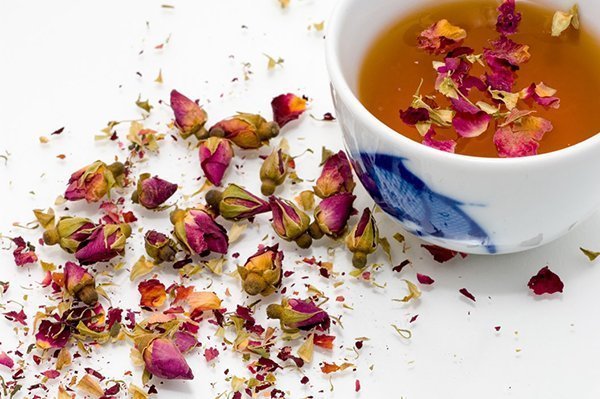
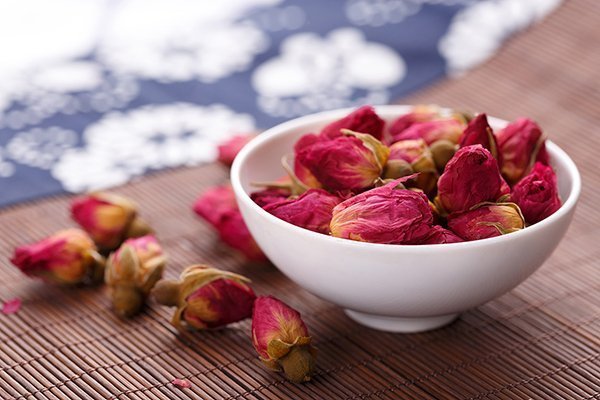
Rose tea is made from the whole rose or the rose petals themselves (dried). This is a popular middle eastern tea variety, but it can be enjoyed anywhere in the world. There are many benefits of rose tea: high concentrations of vitamin C, polyphenols, vitamin A, various minerals, nerol, geraniol, Laurene, quercetin, and other antioxidants.
Health benefits of rose tea include relieving the pain caused by menstruation, preventing chronic diseases, improving the human body’s immune system, accelerating wound healing, help digestion, elimination of body toxins, relieving respiratory infections, help regulate emotions and sleeping cycles. When the dosage of rose tea is moderate, its side effect is small, but overuse is not recommended.

The benefits of rose tea

Rose tea can relieve the pain caused by menstruation

Relieving the pain caused by menstruation

Women monthly menstruation will be accompanied by unbearable pain, and drinking rose tea can effectively alleviate pain, is a healthy treatment. Not only does it help regulate hormones and relieve uterine congestion, but it also eliminates cramps and mood swings that often accompany menstruation.

Help regulate emotions

Rose tea has an uplifting effect, making it an excellent choice for those who feel depressed or overstressed. The result of rose tea on hormone levels is well known and is linked to the way neurotransmitters in our brains are regulated.

Improving the human body’s immune system

Rose can improve the human body's immune system
Rose can improve the human body’s immune system
Just like herbal tea made by many different plants and flowers, rose tea is rich in vitamin C, one of the essential vitamins in our bodies. It is a necessary part of our immune system because it stimulates the production and function of white blood cells as antioxidants, effectively reducing oxidative stress.

The effect of preventing chronic diseases

One of the leading causes behind chronic diseases is the result of oxidative stress in cells, such as cancer and cardiovascular disease. Most of these are caused by free radicals, natural byproducts of cell metabolism that can cause mutations in healthy cells. By increasing the number of antioxidants in our bodies, such as quercetin and Laurene in rose tea, can help reduce the risk of these chronic diseases.

Help to eliminate sleep disturbance

Rose tea can help to eliminate sleep disturbance
Rose tea’s natural calming properties make it a wonderful drink, eliminating stress, and regulating sleep hormones according to circadian rhythms, effectively helping you sleep. If you are suffering from insomnia, or frequent sleep uneasy and easy to wake up from sleeping, try rose tea before bedtime.

Help the treatment of respiratory distress

If you are suffering from a cold, flu, bronchitis or other respiratory illness, rose tea is often prescribed or recommended for soothing the airways, lungs, and throat, so rose tea is the best choice. Rose tea also helps remove mucus and phlegm, where the place that bacteria and other pathogens can live and thrive.

Help improving digestion

The antibacterial benefits of rose tea apply to any gastro or intestinal infection. Rose tea can help rebalance the microbial community in the intestine and relieve digestive problems such as constipation, cramping, bloating or diarrhea. That said, rose tea can act as a laxative, especially if you drink more than two cups a day. You can drink rose tea in moderation and observe how your body reacts the first time you drink it.

Elimination of body toxins

This is a traditional Chinese medicine saying. The active ingredients in rose tea can help improve liver function and increase urination. As a natural diuretic, rose tea relieves fluid retention, prevents water accumulation, and accelerates the release of toxins in the human body.

Sunday, February 9, 2020

Use the right kinds of teaware to steep different types of tea well

Different teaware are used to steep different types of tea
Choose the right kinds of teaware is essential for steeping tea, which is a direct effect on the taste of tea. So, how do we choose the right kinds of teaware according to the tea we steep?

Porcelain teaware

Porcelain teaware have art appreciation value and collection value at the same time
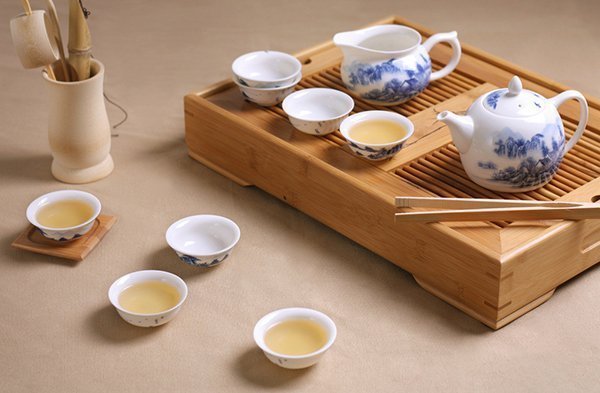
Porcelain teaware does not have water absorption property, fired at about 1300℃, can show the color of tea clearly, the performance of heat transfer and insulation is moderate. Porcelain teaware and tea will not occur chemical reaction, tea can get beautiful color and aroma, and the shape of porcelain teawares are beautiful and exquisite, suitable for steeping the tea which is slight fermentation, and a heavy fragrance.
Such as Lapsang black tea and green tea, are both suitable steeping by porcelain teaware. It’s one of the best teawares, which have art appreciation value and collection value at the same time.

Ceramic teaware

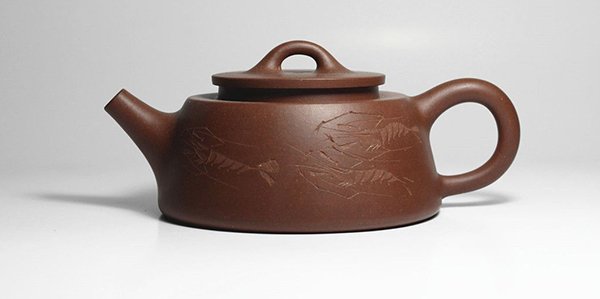
Purple Clay teapot is the most famous pottery teaware
Purple Clay teapot is the most famous pottery teaware, which is fired at about the temperature of 1000℃ ~ 1200℃ and has a fine texture. The teapot is covered with small pores invisible to the naked eye. It does not leak, but absorbs tea juice and retains its flavor. The heat transfer is slow so that will not scald hands, and will not be broken even cool down at soon.
Use purple clay teapot to steep tea; the tea will not be cooked, and lose aroma because of the superior insulation performance, keep the real taste of tea.
Purple clay teapot is suitable for steeping Pu ‘er tea and oolong tea. It will be best to use the purple clay teapot which has a large base, so that the tea can fully unfold at the bottom of the teapot, making the tea taste more fragrant.
Besides, purple clay is a kind of natural earth, rich in iron, calcium, sodium, potassium, zinc and other elements, can alkalize water quality, improve human immunity, is very good for health.

Glass teaware

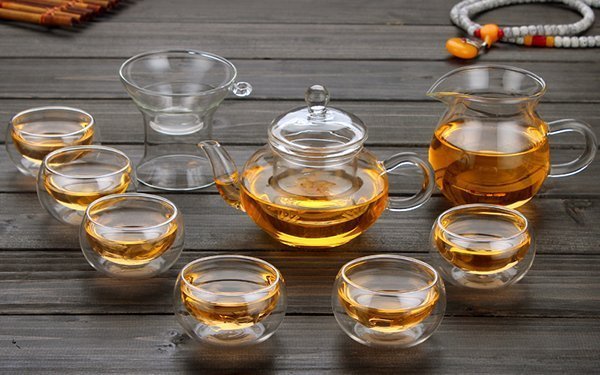
Glass teaware has a wonderful looks
The glass teaware is transparent, heat transfer fast and airtight. When the tea is steeped in a glass teapot, the movement of tea leaves up and down during the whole steeping process, the gradual unfolding of the leaves and the color of the tea can be seen clearly.
In addition, the glass does not contain organic chemicals in the process of firing. When people use glass teaware to steep tea or other drinks, they do not need to worry about to drink any chemicals. Moreover, the glass surface is smooth and easy to clean, and bacteria and dirt are not easy to grow on the glass wall.
Green tea, such as Longjing and Biluochun, is suitable to steep with glass teawares. The tea buds are ethereal and graceful, floating up and down, pleasing to the eye and interesting.

Other kinds of teaware

Common plastic teacups are not recommended for steeping tea
The mainstream teaware also includes bamboo teaware and plastic teaware. Bamboo teaware has been introduced before. Plastic teaware often has peculiar smell, steep with hot water to tea flavor has an impact, unless to the temporary emergency, should not be used for high-quality tea.
In addition, the quality of plastic teacups in today’s market is mixed, with very low credibility, even if the qualified products are also not 100% reliable, so for your own health, it is best not to use plastic teacups.

Cleaning the tea stain on the teaware is very important for health

Scientific research shows that drinking water contains minerals and trace harmful heavy metal ions, such as cadmium, mercury, arsenic, etc., when water is heated, is concentrated to a certain degree of these substances will precipitate out. Not long after drinking or steeped tea exposed to air, the tea polyphenols and these metal ions occur oxidation, gives birth to a brown tea stain, attached to the inner wall. The tea stain it contains cadmium, lead, mercury, arsenic, and other harmful metals, is the culprit endanger human body health.
So, keep teaware clean is very important to health, but also conducive to the maintenance of teaware.