Saturday, February 8, 2020

Iron teapot – How to treat the annoying rust on it?

Iron teaware generally refers to the iron teapot, because the price is relatively low, so it is one of the most widely used metal teawares. People do not usually steep tea in iron teapots, but simply boil the water in iron teapots to improve the quality of the water. Iron teapots are very popular in Japan and are an important part of Sado.
CONTENT

The advantages of the iron teapot

Use the water boiled in the iron teapot to steep tea, which can improve the taste of tea. Because the water boiled in an iron teapot contains iron divalent ions, it tastes like natural mountain spring water and improves the taste. What’s more, tea steep from water boiled in an iron pot can increase the absorption of the Fe. Fe is a hematopoietic element, drinking the water cooked by the iron teapot can play a certain effect in supplementing the Fe needed by the human body and preventing anemia.

Maintenance of iron teapot

Rust will grow easily on the iron teapot
Iron teapots help tea flavor, but maintenance them can be a trouble for many people. The most common defect is rust since the teapot is made by iron, rust grows naturally. With a little rust can be used normally, but if you don’t pay attention, rust will grow more and more, forming large areas of rust spots, or even deposit into rust blocks, that is very annoying.
Maintenance of iron teapot advocates “prevention first, govern later”

Daily maintenance of iron teapot to prevent rust
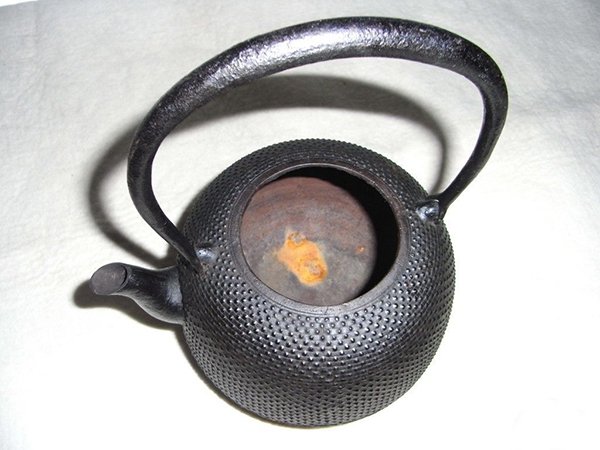
The rust in the iron teapot
Don’t wait until the iron pot rust, usually more maintenance, the iron teapot is not easy to rust, but also more and more moist!
The iron teapot cannot hold water for a long time. After drinking tea, dry it as soon as possible.
Do not boil the water to completely evaporate, on the maintenance of the iron teapot is not conducive to. Continued heating without the heat absorption of water will increase the temperature of the iron teapot and increase the rate of oxidation.
Do not add cold water immediately after you have boiled a pot of water. Wait a few minutes and allow the teapot to cool down slightly before adding cold water to minimize damage.
The rust on the surface of the pot has no effect on the water quality, but the rust is easy to spread, so it should be prevented from further rusting and corroding the whole teapot. Use a soft cloth to wipe it and better not to use a hard brush.

Once the formation of rust, rust should be treated early

As we all know, iron is most afraid of water and air. Rust is everywhere, also because it’s hard to isolate these two things, the lock on the door, long used umbrella, can grow rust.
Once rust forms, it spreads even in dry air. Rough rust condenses the steam in the air, absorbs it and stores it, so it is harder to prevent rust from spreading than to prevent rust from growing. So we have to treat it in the early stages of rust formation.
How does the chemical way treat the rust? It’s easy. Use an acid. Solutions such as sulfuric acid and hydrochloric acid can melt away the rust. Of course, the iron teapot is used for boiling water and steeping tea, so these chemicals cannot be used. Natural acid substances should be used instead.

Detailed process and method of iron pot derusting
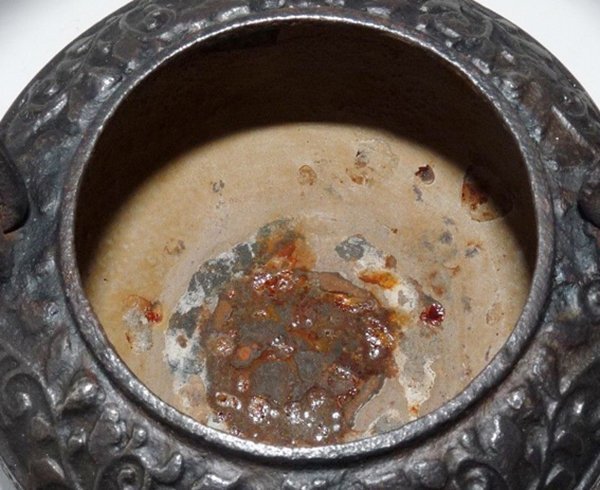
Some thick rust in the iron teapot is hard to treat
If there are some rust spots in the iron teapot, it smells iron and the water it boiled also has a fishy smell. It must be treated as soon as possible, so as not to make the rust worse. To treat the rust on the inner wall of the iron teapot is mainly to dissolve the rust with acidic objects, and then to prevent further rust by forming a protective layer on the surface of the iron teapot.
Steep. First let the iron teapot steep with water for half an hour, with a soft brush to brush the inner wall, as long as it is not the thick rust, do not recommend the use of steel ball, it will damage the iron teapot. Pour the white vinegar full into the iron teapot, do not cover the lid, and let it soak for 24 hours.
Brush. After steeping, a part of the rust has dissolved obviously, then brush the inner walls with a soft brush. Scrape the thick, large pieces with a knife, and the small pieces are better brushed with a soft brush. The water outlet also cleans with cotton swabs fully.
Clean with water again after brushing, observe the derusting status, some serious places to brush again targeted.
Boiled. Next, boil water with lemon to further treat the rust. The specific operation is to cut two lemons into the piece and put them into an iron teapot and cook them with a small fire for about 3 hours. The amount of water should be added to three-quarters of the iron teapot because the rust of the iron teapot is mainly at the bottom. During this period, please pay attention not to let the water overflow and timely add water to avoid heating to dry. After cooking, continue to soak for 2 hours. Then brush the inner wall with a soft bristle brush and rinse with clean water.
teapot because the rust of the iron teapot is mainly at the bottom. During this period, please pay attention not to let the water overflow and timely add water to avoid heating to dry. After cooking, continue to soak for 2 hours. Then brush the inner wall with a soft bristle brush and rinse with clean water.
Maintenance. After rust treating, the water after boiling can not see the rust in it anymore. However, at this time, you can still smell the strong smell of iron in the iron teapot. You can put 100 grams of tea into the teapot, add water and boil it in a small fire for several times until the smell of iron disappears.
Occasionally boiled tap water with the iron teapot, tap water’s water quality is hard, easy to form scale in the inner wall, and this layer of scale can isolate moisture and air, reduce the chance of rust.(not means tea stain, tea stain has to treat too)
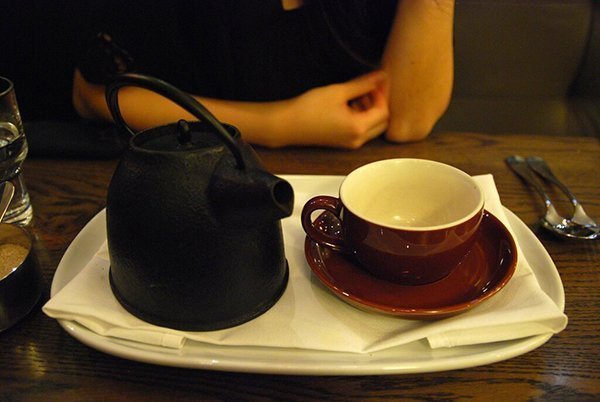
Taking good maintenance on the iron teapot is very important
To make good water quality, the iron teapot needs to be maintained carefully. Remember, prevention is the key, once the rust grows, treat the rust at once.

Sunday, February 2, 2020

Do not disdain the tea stem, its value is better than you think

Tea stem's worth is better than you think
Tea stem’s value is better than you think
Many tea drinkers have a high demand for tea, and generally, tea stem is discarded when steeping. In fact, tea stem is not all bad.
CONTENT

What is tea stem?

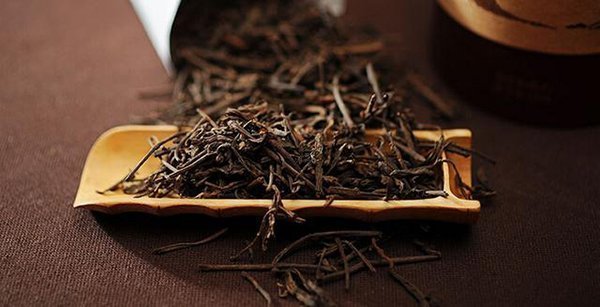
Tea stem, generally speaking, is the leaf stem of tea. Today we are going to talk about, is the stem which picks from the finished tea, the most common is Tieguanyin tea stem, also known as tea branch.
The most common is Tieguanyin tea stem
The number of tea stems depends on the type of tea. Green tea, yellow tea, and black tea generally do not contain tea stem, unless the machine picking does not remove them. As for white tea (Shoumei, Laobai tea), oolong tea and puer tea, sometimes relatively mature fresh leaves are required in the picking standards, so it is normal for tea stem to exist in these types of tea.

The effect of tea stem on tea quality

Why is the tea stem processed together with the tea leaf? It’s related to the nature of the tea stem itself.

Tea stem facilitates the fermentation and transformation of tea

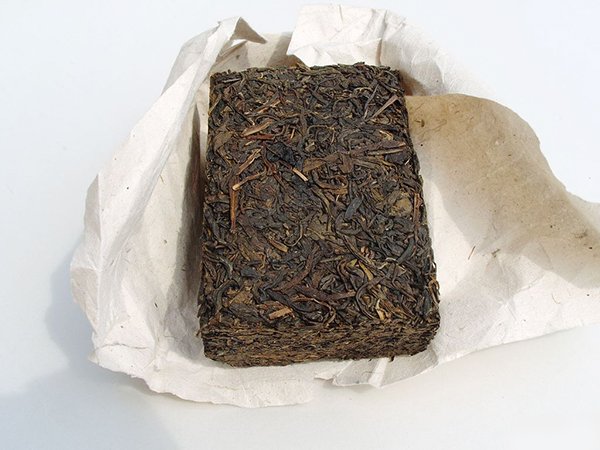
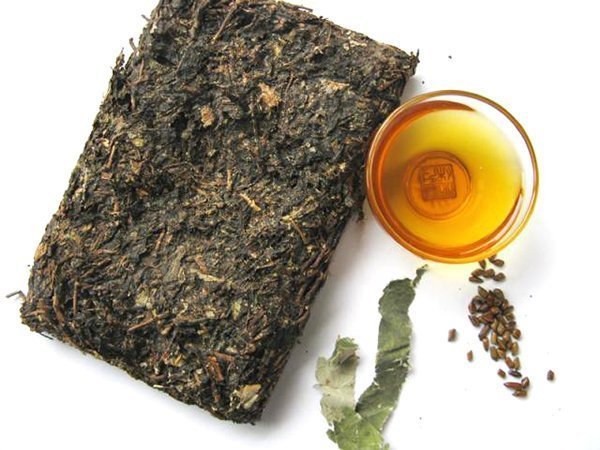
Tea stem hardness is hard, help dark tea brick, and other tea brick compressed molding. The hardness and shape of tea stem and tea leaf are different, which leads to a large gap in the brick tea, facilitates the flow of air and is conducive to the fermentation of dark tea and Pu ‘er tea. For Fuzhuan tea brick, a certain amount of tea stem content will also enhance the permeability of Fuzhuan tea brick, which is conducive to the growth and reproduction of E.cristatum, because E.cristatum is an Aerobic organism. Tea stem also plays a very important role in the transformation of white tea brick.
The fermentation of oolong tea also requires the participation of tea stem, take Tieguanyin as an example. Fixation is the key of Tieguanyin fermentation processing, the surface cell remains activity, and the transpiration will happen at the same time on the surface. Transpiration will take away the huge heat of fermentation, the tension formed and make the water from branches to leaves through the stem, keep the leaves wet and not to be burned. After overnight fermentation, the tea branches and leaves exchange water. With the affection of tea stem in the fermentation, the tea will get into a high-grade quality.

Tea stem can improve the flavor of tea

Tea stem contains a considerable amount of aroma substances. The aroma of tea leaves gradually decreases from the first leaf to the third leaf, while the aroma of the tea stem is the highest. The aroma substances of tea are mainly in the main veins of tea stem and tender leaf, and the amino acid in the tender stem is higher than that in tender leaf. The vascular bundle in the stem is the main transport tissue of nutrients and aroma, and most of the substances contained are water-soluble. During the processing of tea, the aroma is transferred from the stem to the leaf with the evaporation of water, and these substances transfer to the leaf and combine with the effective substances of the leaf to form a higher and stronger aroma quality. Therefore, it is necessary to have appropriate tea stems to produce fragrant, full flavor tea. The length of tea stems varies according to different tea types.
Dark Tea Brick
Dark Tea Brick

Tea stem can make tea more nutritious

According to the research of tea experts, the picked tender stem contains a large amount of amino acid (mainly theanine), aroma substances, tea polysaccharide, which is much higher than the content of buds and leaves, especially theanine, which is 1-3 times higher than the content of buds and leaves. This is mainly because theanine is synthesized in the root and transported to the above-ground part through the xylem, the other part produces glutamate to participate in the nitrogen metabolism of tea tree, and the other part accumulates in the new buds, so the content of amino acid (especially theanine) in tender stem is high.
the other part produces glutamate to participate in the nitrogen metabolism of tea tree, and the other part accumulates in the new buds, so the content of amino acid (especially theanine) in tender stem is high.
In addition, tea stem, as a nutrient conduction organ of fresh leaves, contains high sugar content. Tender tea leaves contain a lot of sugar, except for water-soluble pectin, mature leaves and stem almost contain more sugar than young buds.
Fuzhuan Tea Brick
Fuzhuan Tea Brick

The effect and wonderful use of tea stem

Tea stem contains a large amount of tea polysaccharide, lignin and cellulose, which can promote gastrointestinal motility, help food digestion, and lower blood sugar. Experts said that the nutrition and essence of tea are in the tea stem and leaf, daily steep and drink of 6 grams of tea stem, can be active to prevent aging and radiation, to a certain extent, tea stem also has some disease prevention effect.
Also, putting tea stems in a bag and placing them in a newly renovated room, or in a newly purchased cabinet or car is a great way to get rid of odors.

Huge aroma | The benefits of Jasmine tea and 5 steps to taste

Huge aroma | The benefits of Jasmine tea and 5 steps to taste 1
Jasmine tea has a huge aroma
Jasmine tea is a kind of flavoured tea, belonging to one type of green tea, which has a very strong jasmine fragrance. Its aroma is mainly produced in tea processing. Tea leaves and jasmine flowers are crisscrossed and layered together so that they have chemical reactions with each other. After the tea leaves have fully absorbed the flower fragrance, the tea leaves and flowers will be separated.

The benefits of Jasmine tea

Jasmine tea which is rolling into balls
Jasmine tea, besides the medicinal effect of tea itself, there is a certain detoxification effect of jasmine itself. Jasmine and tea combined, but also to heat-clearing and detoxifying, help digestion, heal dysentery, and other effects. Jasmine tea is mainly made up of tea leaves, among which contains 4% jasmine aroma compounds. Jasmine tea not only maintains the cool attribute of tea, but also becomes warm attribute tea due to the baking process(traditional Chinese medicine), and has a variety of medical protection effect, which can remove stomach discomfort. “to eliminate evil cold and depression” that’s the benefits of Jasmine tea in the traditional Chinese medicine system.
According to the determination, jasmine flower contains more than 20 kinds of aroma compounds, its rich in aromatic molecules and other ingredients, rinse the mouth with it, not only to clean oil, but also protect the teeth and prevent halitosis benefits. And from the point of modern medicine, Jasmine tea also has a stronger antibacterial effect. For women, jasmine tea has a great benefit for their beauty, not only good for skin but also resist aging.

5 steps to taste a nice cup of Jasmine tea

A cup of jasmine tea can clean your brain
1.    Steeping jasmine tea with glass teaware. Enjoy the full aroma while watching the tea leaves bloomed out in the water. Jasmine tea and water ratio of 1:50, it will be best to steep with mineral water.
2.    Put 2-3g jasmine tea into a glass cup.
3.    Steep jasmine tea with about 90℃ boiling water, close the lid, in case the aroma dissipates.
4.    After 3 minutes steeping, open a small slit in the lid, smell and enjoy the aroma for a while.
5.    Wait a minute to let the jasmine tea cool down, sip it a little and taste, feeling the aroma with your tongue for 1-2 seconds before drink it down.

Tuesday, January 28, 2020

Bamboo Teaware | 2019 Buying Guide and Maintenance

Bamboo teaware has both ornamental and collection value
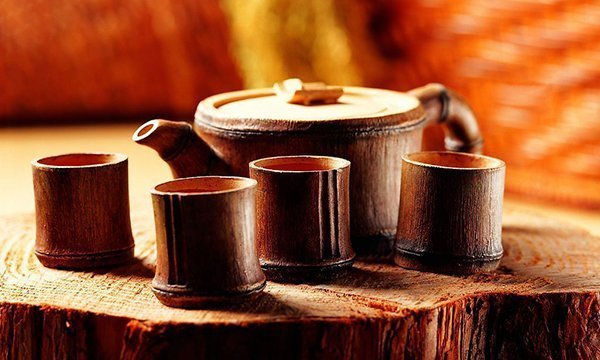
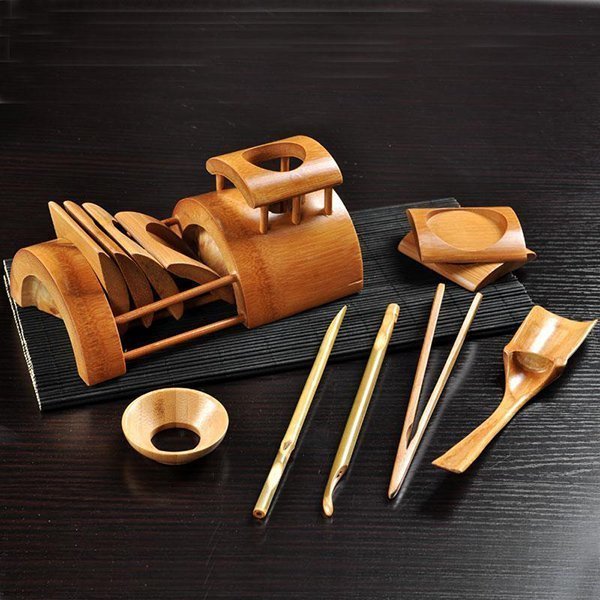
Bamboo teaware refers to the teaware which processing by nature bamboo and wood, with handcrafted or machine to cut, carve and whittle. Bamboo teaware is mostly basic teaware, such as teacup, tea tray, and tea props, etc.

The Advantages of Bamboo Teaware

Bamboo teaware has been for a long time. As tea drinking culture is popular gradually, teaware demand increases day by day, but the price of metal teaware such as gold and silver is expensive, accordingly. So, the bamboo teaware, which is made of relatively cheap material and easy to produce, become popular in the group.
Tea props usually made by bamboo
The materials of bamboo teaware are readily available and handcrafted. Nature bamboo will not affect the taste of tea when steeping, and unlike some porcelain teawares, it doesn’t contain chemicals like industrial lead. Some times, steeping tea with the newly made bamboo teaware may have a fragrance of bamboo, but it won’t be bad for health.
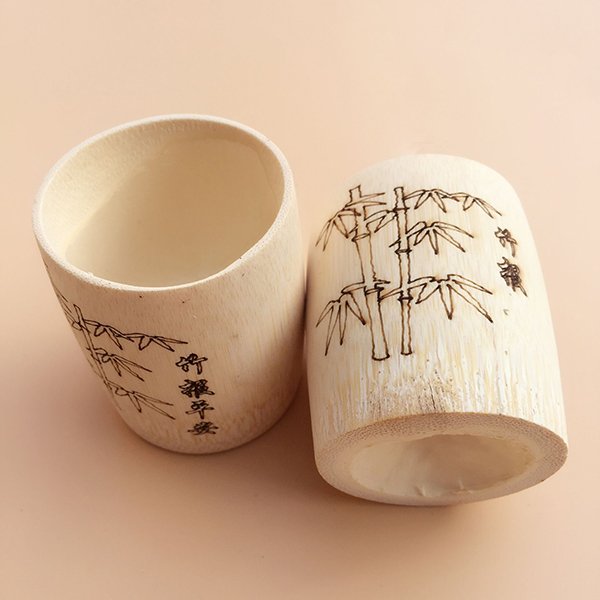
Some bamboo teawares have not only practical value, but also high appreciation value. For example, the bamboo can made by boxwood, and a tea can made by old bamboo, and especially the bamboo teaware which has an excellent carver on it, are the best gift for friends and collection. Now, most people buy bamboo teaware, not just for use, more they want is their collection value.
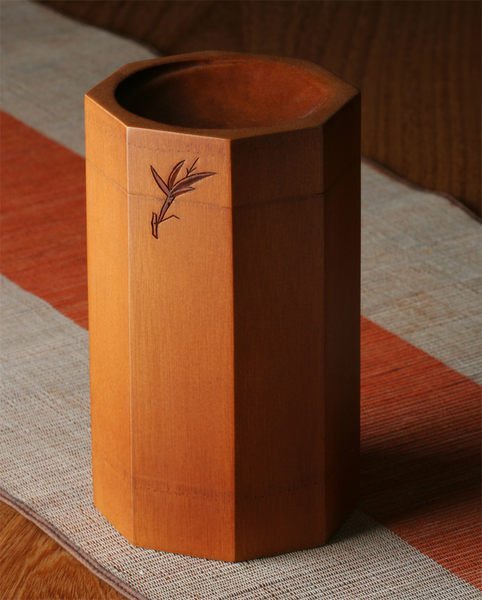
A very valuable bamboo tea props can

Buying Guide of Bamboo Teaware

To buy bamboo teaware, must taking care at these two points:
  1. When buying bamboo teaware, touch the surface and back of the article with your hands carefully, it will be an inferior-quality product if there are spikes or sharp places. Because it is easy to Pierce the hand in the process of use.
2. Observe teaware inside and outside carefully, see the quality of the material whether exquisite and smooth, even improper and mildewy. Whether bamboo or wood, if the long-term exposure to moisture, is easy to be moldy, this must be carefully identified. If it is tea storage equipment, also check the tightness is good.
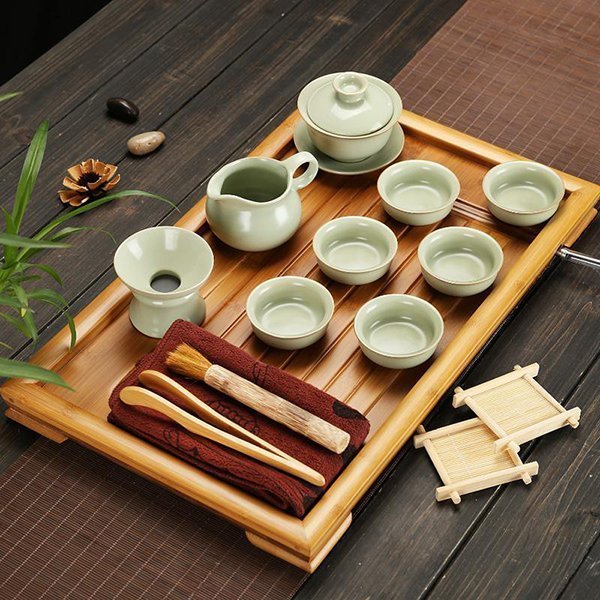
A proper tea tray should have a perfectly smooth surface
Different techniques applied to bamboo teaware will make them more valuable. When you choose and buy, whether the sculpture craft that should watch teaware carefully is elaborate, whether to exist material to owe the case with little makings, style whether to show originality.

Bamboo Teaware Maintenance

Bamboo teaware is different from those made of other materials, and they also have unique maintenance principles.
Bamboo teaware should be clean and maintained well
1. Store in good condition. When the bamboo teaware is stored, the surrounding environment should be kept good. A too wet environment will make the teaware moldy and growing insects, while the too dry environment will make the bamboo teaware deformed, especially the bamboo tea tray. Also, pay attention to the storage place whether there is a corrosive smell, such an environment is not conducive to the preservation of bamboo teaware.
2. Avoid thermal expansion and contraction of teaware. When steeping tea with bamboo teaware, notice that not to cool it down with water after using immediately. According to the principle of thermal expansion and contraction, bamboo tea sets are easily broken and hurt people.
3. Take it out once in a while to get some sun. The bamboo teaware that hasn’t use for a long time, can take out bask in the sun when the weather is good, prevent mildewy, growing insects, but avoid long time sunshine to bask in, be out of shape very easily otherwise.
4. Clean up in time. After using the bamboo teaware, to timely scrub clean with water, avoid leaving tea stain on the top. After the cleaning, to dry treatment, storage for the next use.

Taste shock from mixing | Blended Tea and Flavoured Tea

Tea blended with different kinds of ingredients can bring a strong taste shock
Open the online tea store catalog, and you can find that it generally falls into two parts – Origin tea and Blended tea. Compared with the single and strong regional flavor sought by origin tea, blended tea emphasizes the unique flavor created by tea brands and tea master according to different taste needs.

Advantages of blended tea

Because of the tea master will blend tea based on consumer taste requirements, so blended tea also tends to be more acceptable than origin teas, and more convenient according to own preferences, different ways to drink tea and time to make a choice.
Besides, the tea brand style can also be clearly observed from the signature blend tea of various well-known tea brands. For example, Mariage Frères (France) blended tea is mostly rich in aroma and flavor; Fortnum & Mason (Britain) blended tea is full of aristocratic temperament; Japanese brand tends to be cute and stylish; It’s very interesting. Whether it is a pot of milk aroma English breakfast tea or Earl Grey, Mariage Frères Wedding Imperial Tea or Fortnum & Mason Queen Anne at breakfast time, blended tea remains a distinct taste of life.

Blended Tea

The famous Mariage Frères blended tea
Tea masters blend tea from different regions(India, Sri Lanka, and Chian, three main sources of blended tea), to produce the unique flavor blended tea. Generally, it should be paid attention to the balance and coordination of taste and aroma during tea blending, and the shape and size of tea should be consistent as far as possible for steeping purposes.
The most famous blended tea is English breakfast tea. The formula of each tea brands is different. Usually, it will be formulated with a strong and full aroma and taste, and it is suitable for milk. Other well-known blended tea, such as Mariage Frères (France) Wedding Imperial Tea, which blended by Ceylon tea from the different region; Harrods(Britain) No.14 Breakfast Tea, which blended by India tea, Ceylon tea, Kenya tea, and Darjeeling tea; Fortnum & Mason(Britain) Queen Anne Tea, which blended by India tea and Ceylon tea; They are all famous blended tea.
Many tea brands often take the tea-drinking time as the allocation and naming principle, such as breakfast tea, noon chai, afternoon tea, evening tea and so on. Breakfast tea focus on the strong and thick taste, afternoon tea focus on aroma and relaxed feeling, evening tea focus on help digestion.

Flavoured Tea

Flavoured tea which has many types of flavor
Add into ingredients such as fruit, flower, herb, perfume or essence oil into the blended tea, to create a variety of aroma and rich taste, that’s how flavoured tea make. Flavored tea is the most acceptable and favorite tea for casual black tea newbies.
Earl Grey is the most classic flavoured tea with a long history. This kind of tea is from China, blended the aroma from Bergamot Lemon. It is said that Earl Grey, who was the British Navy Minister in the 19th century, loved LapSang Souchong very much, but it was too expensive to buy. So he asked the tea merchant from London to copy it by blending the spice which available at that time, to enjoy every day. And so it spread by time.
Who was the tea merchant at that time actually? For a long time, the argument of this problem has never disappeared, the famous tea brands competing for the legitimate founding position, debate. However, no matter who it comes from, Earl Grey tea, which was originally just an imitation of LapSang Souchong, has gradually become popular for more than two hundred years and even become a more popular and daily tea than LapSang Souchong.
Other common flavoured tea recipes have a different style from each other. In addition to rose, jasmine, violet, lavender and other herbal tea, there are lychee, peach, apple, banana, pineapple, grape and other fruit ingredients. And even caramel pudding, tiramisu tea, really dazzling.

Thursday, January 9, 2020

5 representative white teas and their benefits for health

White tea is characterized by a fine white fuzz on the leaves
White tea is picked from tender buds, which has a fine white fuzz on the back of the leaves. Different from green tea, it is not frying or rolling during processing. It will be dried naturally or baked by a slow fire so that the white fuzz is retained completely on the surface of the tea.
The steeping time of white tea needs is longer than other types of tea because there is no rolling in the processing. Summer is the most suitable season to drink white tea, because of white tea belong cool thing(In traditional Chinese medicine), taste sweet and Heat-clearing and Detoxifying.
Here are 5 representative white teas and their benefits for health.
CONTENT

Silver Needle White Tea

Silver Needle White Tea looks like a needle
Silver needle white tea, Baihao for short, is mainly produced in Fujian province, China. As the raw materials of fresh leaves are all tea buds, when it processes into tea, which is shaped like a needle and covered with white fuzz. It looks like a silver color needle, so it is called Silver Needle. When steeping the Silver Needle, the aroma is fresh and the taste is mellow. The tea leaves will stand up in the cup and look very interesting.
Benefits for health
  1. Improve blood sugar balance: In addition to the inherent nutrients of other types of tea, Silver Needle tea also contains active enzymes necessary for the human body. Medical research has proved that long-term drinking white tea can significantly improve the activity of lipase in the body, promote the metabolism of fat, effectively control the secretion of insulin, slow down the absorption of glucose in the small intestine, decompose the excess sugar in the blood, and promote the balance of blood sugar.
  2. Improving eyesight: Silver Needle is rich in provitamin A, it is absorbed by the human body, can be quickly converted to vitamin A, vitamin A can synthesize rhodopsin, can make the eyes see things more clearly in dark light.

Bai Mudan White Tea

Bai Mudan White Tea looks like a flower when steeping
Bai Mudan, a famous tea in the history of Fujian, China, is made of Fuding Big white tea and Fuding Dahao tea through traditional processing. Because its tea leaves contain a silver-white core, looks like a flower, it will full bloom like a flower during steeping, so-called Bai Mudan.
Benefits for health
  1. Anti-radiation: Bai Mudan White Tea has anti-radiation substances, which can play a significant role in protecting the hematopoietic function of the human body.
  2. Liver protection: Bai Mudan White Tea is rich in natural flavonoids, such as dihydromyricetin, which can protect the liver, because it can accelerate the decomposition of acetaldehyde, a metabolite of ethanol, into non-toxic substances, thereby reducing the damage to liver cells.

Gong Mei White Tea

Ole Gong Mei White Tea, it is very expensive
Gong Mei, also mainly produced in Fujian, China. It is made of the most tender bud leaves of tea, “Gong” means the best in Chinese, the quality is higher than Silver Needle, also known as “Shou Mei”. Gongmei nutritional effect and Silver Needle similar, have improved eyesight and radiation protection and other effects.

Fuding White Tea

Fuding White Tea
Fuding White Tea
Fuding White Tea is made by a series of delicate processes, such as withering, drying and baking. Fuding white tea has a special effect, can relieve from face due to congestion and red, people who drink red wine.
Benefits for health
  1. Heat-clearing: In traditional Chinese medicine, the nature of white tea belongs cool, can effectively heat- clearing, reduces dryness feeling in the body.
  2. Cosmetology effect: White tea free radical content is low, often drink white tea or its related extracts can play the role of beauty. So fuding white tea is also called “Tea For Women”.
  3. Inhibit bacterial growth: Fuding white tea can prevent staphylococcal infection, pulmonary infection and Streptococcus Pneumoniae infection effectively.

Moonlight White Tea

Moonlight White Tea looks very strange with black and white color
Moonlight White Tea, also known as “moonlight beauty”, its shape is strange, one bud with one leaf, the surface is white, the back is black, looks like a curved moon, color contrast make it feel illuminated by moonlight, so-called Moonlight White Tea.
Benefits for health
  1. Skin-care benefits: the alkyds in tea can help remove dead skin, encourage new cells to reach the skin’s surface more quickly, and help combat wrinkles.
  2. Lower sterol levels in the body: tea contains caffeine, amino acids, tea polyphenols and other compounds, which can promote the decomposition of cholesterol and triglycerides in the body.

4 black tea producing countries, small scale but not allow to ignoring

One of the largest black tea producing countries - China
One of the largest black tea producing countries – China
Although there are many black tea producing countries in the world, except for India, China, and Sri Lanka three major producing areas, the other region is mainly producing low-priced crushed tea or CTC tea, for providing tea bags manufacturing, in region characteristic, importance, and diversity, it is not worth mentioning. But there are still 4 small black tea producing countries are famous for its unique black tea:
CONTENT

Kenya – One of the largest tea producing countries in Africa

Into the 20th century, one of the colonies of western powers, Africa also became another large-scale development of black tea producing country after south Asian countries, mainly concentrated in the East African plateau. Although each country after 2 world war is independent in succession, black tea still is local important economy crop, cultivate dimensions and yield all extremely large. Among them, Kenya attracts the most attention.
Kenya Black Tea Garden
Black tea cultivation in Kenya began in 1902 during the British colonial period. After independence in 1963, small-scale tea plantations became popular. The main tea producing areas are located in the plateau and valley on the west side of Kenya mountains, with an altitude of 1000 ~ 2700 meters. It can be providing all the year, and the best seasons are January, February, and June.
Black tea produced in there more than 90% is CTC black tea, only a small part of the small characteristic tea garden produced orthodox black tea. High-quality black tea from Kenya is full with a refreshing aroma of fruits, cereals and spices, taste strong.

Nepal – Comparable to the black tea in India

Nilgiri Nepal Tea Garden
Nepal black tea is mainly planted in the Himalayan foothills, 900 ~ 2100 meters above sea level, close to Darjeeling and Sikkim in India. Not only the terrain, climate, but the season and soil conditions are also the same, and because the tea tree and tea planting method are derived from Darjeeling, the flavor is very similar to Darjeeling, full of elegant fragrance and fruit aroma, the taste is soft and clear.

Indonesia – The first tea transfer station in the world

Indonesia Bandung Black Tea Garden
Indonesia is the first tea transfer station in the world. Around 1610 AD, the Dutch East India company first used the Indonesian island of Java as a centralized and transshipment point to introduce tea and teawares from Japan and China, which played an important role in the early history of the tea trade. (Economic history of Indonesia)
In the early 19th century, the Dutch East India company first tried to grow tea trees on Java from Chinese seeds, but it was not very successful. It was not until the later introduction of Assam tea from India that it began to develop rapidly. The main planting areas are in central and western Java and northern Sumatra, where the climate is dry and warm. Tea is produced all the year round, but the best season is July, August, and September. Indonesian black tea is light and mild and is popular in the inexpensive tea market.

Japan – Black tea is a minority hobby

Japanese Ise Black Tea
Rarely mentioned in the black tea world, but Japan is also one of the black tea producing country; Although the production is small, from north Nagano to the south Okinawa have production, so in Japan, we can see the local black tea in the tea shop.

Black tea cultivation in Japan began in the early Meiji period of the 1870s. The world trend at that time, black tea has completely replaced green tea, become the focus of western tea drinking, the original green tea as the main export products in Japan, had to turn to black tea produced; With development, to 1955, Japan’s national black tea exports had reached more than 8,000 tons. After that, as the economy took off after World War ii, Japanese domestic black tea gradually lost its competitiveness in price, which was further aggravated by the severe blow of black tea trade liberalization in 1971.

In addition, there are temperate terroir limitations, Japan lacks suitable for the cultivation and production of black tea environment, which produced is entirely different grade from Japanese green tea. Until now, Japanese black tea has mainly circulated between black tea lovers and a small group of people who worship local ingredients.