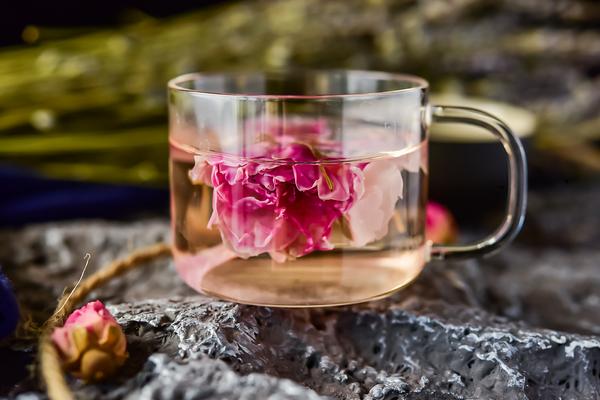
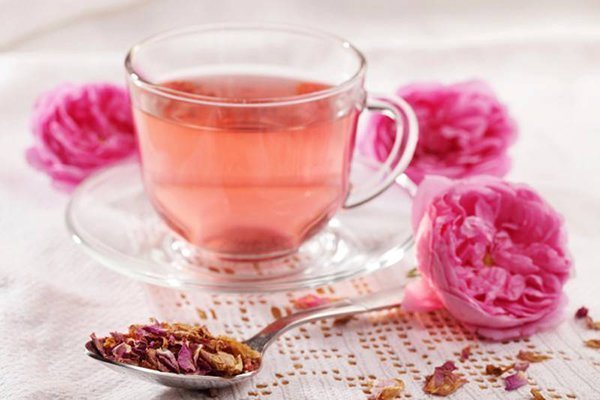
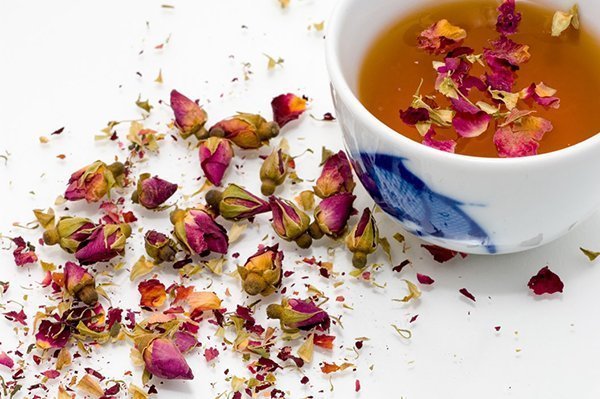
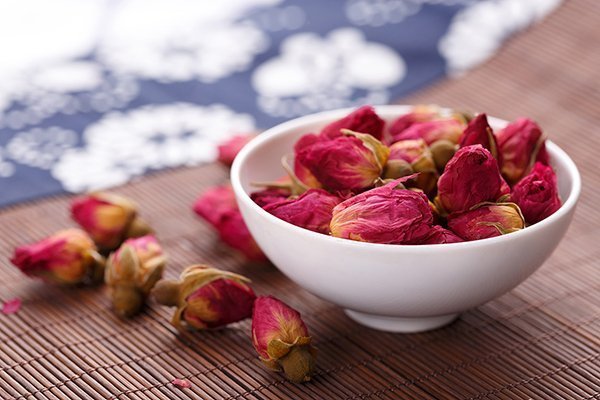
There are many benefits of rose tea for the human body
Rose
tea is made from the whole rose or the rose petals themselves (dried).
This is a popular middle eastern tea variety, but it can be enjoyed
anywhere in the world. There are many benefits of rose tea: high
concentrations of vitamin C, polyphenols, vitamin A, various minerals,
nerol, geraniol, Laurene, quercetin, and other antioxidants.
Health benefits of rose tea include
relieving the pain caused by menstruation, preventing chronic diseases,
improving the human body’s immune system, accelerating wound healing, help
digestion, elimination of body toxins, relieving respiratory infections, help
regulate emotions and sleeping cycles. When the dosage of rose tea is moderate,
its side effect is small, but overuse is not recommended.
The benefits of rose tea
Rose tea can relieve the pain caused by menstruation
Relieving the pain caused by
menstruation
Women monthly menstruation will be
accompanied by unbearable pain, and drinking rose tea can effectively alleviate
pain, is a healthy treatment. Not only does it help regulate hormones and
relieve uterine congestion, but it also eliminates cramps and mood swings that
often accompany menstruation.
Help regulate emotions
Rose tea has an uplifting effect, making it
an excellent choice for those who feel depressed or overstressed. The result of
rose tea on hormone levels is well known and is linked to the way
neurotransmitters in our brains are regulated.
Improving the human body’s immune system
Rose can improve the human body’s immune system
Just like herbal tea
made by many different plants and flowers, rose tea is rich in vitamin
C, one of the essential vitamins in our bodies. It is a necessary part
of our immune system because it stimulates the production and function
of white blood cells as antioxidants, effectively reducing oxidative
stress.
The effect of preventing chronic
diseases
One of the leading causes behind chronic
diseases is the result of oxidative stress in cells, such as cancer and
cardiovascular disease. Most of these are caused by free radicals, natural
byproducts of cell metabolism that can cause mutations in healthy cells. By
increasing the number of antioxidants in our bodies, such as quercetin and
Laurene in rose tea, can help reduce the risk of these chronic diseases.
Help to eliminate sleep disturbance
Rose tea can help to eliminate sleep disturbance
Rose tea’s natural calming properties make
it a wonderful drink, eliminating stress, and regulating sleep hormones
according to circadian rhythms, effectively helping you sleep. If you are
suffering from insomnia, or frequent sleep uneasy and easy to wake up from
sleeping, try rose tea before bedtime.
Help the treatment of respiratory
distress
If you are suffering from a cold, flu,
bronchitis or other respiratory illness, rose tea is often prescribed or
recommended for soothing the airways, lungs, and throat, so rose tea is the
best choice. Rose tea also helps remove mucus and phlegm, where the place that
bacteria and other pathogens can live and thrive.
Help improving digestion
The antibacterial benefits of rose tea
apply to any gastro or intestinal infection. Rose tea can help rebalance the
microbial community in the intestine and relieve digestive problems such as
constipation, cramping, bloating or diarrhea. That said, rose tea can act as a
laxative, especially if you drink more than two cups a day. You can drink rose
tea in moderation and observe how your body reacts the first time you drink it.
Elimination of body toxins
This is a traditional Chinese medicine
saying. The active ingredients in rose tea can help improve liver function and
increase urination. As a natural diuretic, rose tea relieves fluid retention,
prevents water accumulation, and accelerates the release of toxins in the human
body.
Different teaware are used to steep different types of tea
Choose the right kinds of teaware is
essential for steeping tea, which is a direct effect on the taste of tea. So,
how do we choose the right kinds of teaware according to the tea we steep?
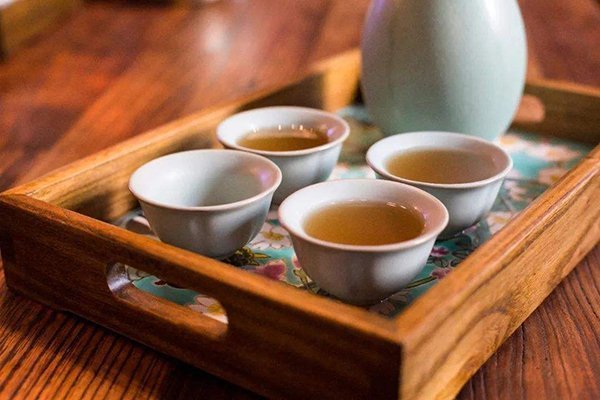
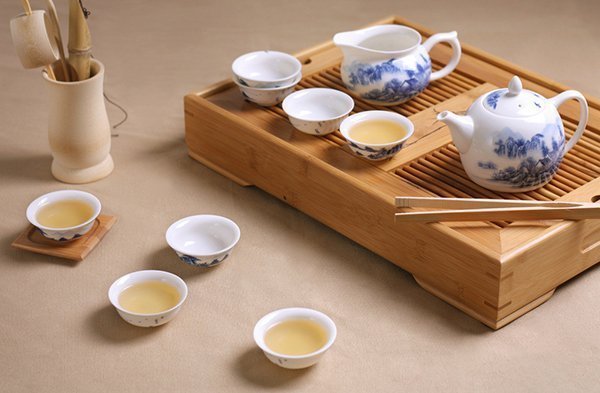
Porcelain teaware
Porcelain teaware have art appreciation value and collection value at the same time
Porcelain teaware does not have water
absorption property, fired at about 1300℃, can show the color of tea clearly,
the performance of heat transfer and insulation is moderate. Porcelain teaware
and tea will not occur chemical reaction, tea can get beautiful color and
aroma, and the shape of porcelain teawares are beautiful and exquisite,
suitable for steeping the tea which is slight fermentation, and a heavy
fragrance.
Such as Lapsang black tea and green tea,
are both suitable steeping by porcelain teaware. It’s one of the best teawares,
which have art appreciation value and collection value at the same time.
Ceramic teaware
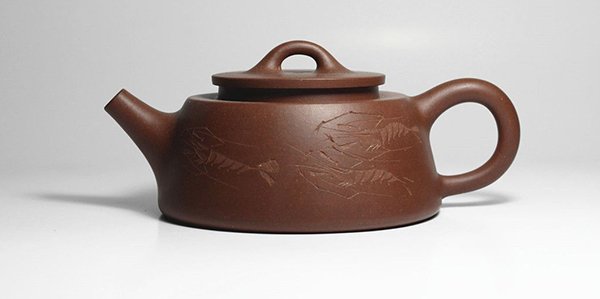
Purple Clay teapot is the most famous pottery teaware
Purple
Clay teapot is the most famous pottery teaware, which is fired at about
the temperature of 1000℃ ~ 1200℃ and has a fine texture. The teapot is
covered with small pores invisible to the naked eye. It does not leak,
but absorbs tea juice and retains its flavor. The heat transfer is slow
so that will not scald hands, and will not be broken even cool down at
soon.
Use purple clay teapot to steep tea; the
tea will not be cooked, and lose aroma because of the superior insulation
performance, keep the real taste of tea.
Purple clay teapot is suitable for steeping
Pu ‘er tea and oolong tea. It will be best to use the purple clay teapot which
has a large base, so that the tea can fully unfold at the bottom of the teapot,
making the tea taste more fragrant.
Besides, purple clay is a kind of natural
earth, rich in iron, calcium, sodium, potassium, zinc and other elements, can
alkalize water quality, improve human immunity, is very good for health.
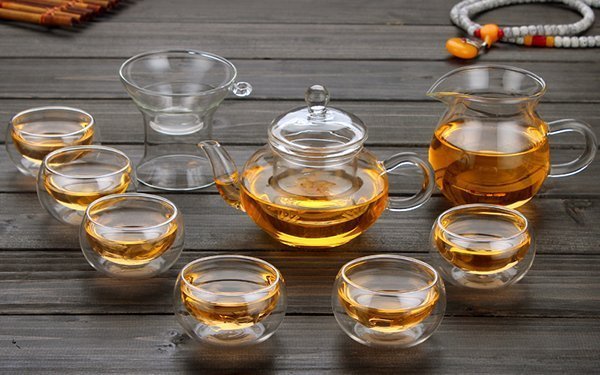
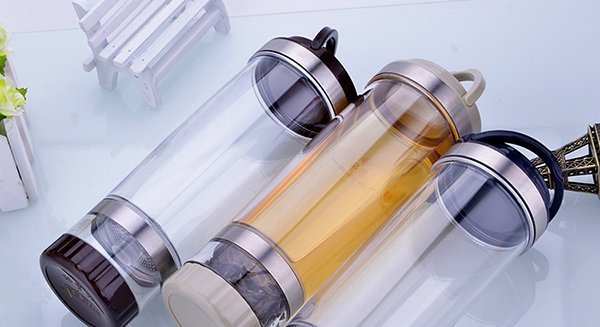
Glass teaware
Glass teaware has a wonderful looks
The glass teaware
is transparent, heat transfer fast and airtight. When the tea is
steeped in a glass teapot, the movement of tea leaves up and down during
the whole steeping process, the gradual unfolding of the leaves and the
color of the tea can be seen clearly.
In addition, the glass does not contain
organic chemicals in the process of firing. When people use glass teaware to
steep tea or other drinks, they do not need to worry about to drink any
chemicals. Moreover, the glass surface is smooth and easy to clean, and
bacteria and dirt are not easy to grow on the glass wall.
Green tea, such as Longjing and Biluochun,
is suitable to steep with glass teawares. The tea buds are ethereal and
graceful, floating up and down, pleasing to the eye and interesting.
Other kinds of teaware
Common plastic teacups are not recommended for steeping tea
The mainstream teaware also includes bamboo
teaware and plastic teaware. Bamboo teaware has been introduced before. Plastic
teaware often has peculiar smell, steep with hot water to tea flavor has an
impact, unless to the temporary emergency, should not be used for high-quality
tea.
In addition, the quality of plastic teacups
in today’s market is mixed, with very low credibility, even if the qualified
products are also not 100% reliable, so for your own health, it is best not to
use plastic teacups.
Cleaning the tea stain on the teaware is
very important for health
Scientific research shows that
drinking water contains minerals and trace harmful heavy metal ions,
such as cadmium, mercury, arsenic, etc., when water is heated, is
concentrated to a certain degree of these substances will precipitate
out. Not long after drinking or steeped tea exposed to air, the tea
polyphenols and these metal ions occur oxidation, gives birth to a brown
tea stain, attached
to the inner wall. The tea stain it contains cadmium, lead, mercury,
arsenic, and other harmful metals, is the culprit endanger human body
health.
So, keep teaware clean is very important to
health, but also conducive to the maintenance of teaware.
There are many varieties of tea on the market, so how to choose
high-quality tea has become the first thing people consider. Generally,
choose tea mainly from the vision, smell, taste, and touch to identify
the selection. Generally, mainly from the sight, smell, taste, and touch
to identify the selection. High-quality tea stands out from ordinary
tea in these respects. Overall, choose the tea from the following 5
tips:
Choose high-quality tea is the first step to enjoy a cup of tea
1. Choose high-quality tea by looking at the shape
All kinds of tea leaves have specific shape
characteristics, some like silver needles, some like melon seed slices, some
like round beads, some like bird tongues, some leaves loose foam, some leaves
tight knot.
Look at the shape of the tea leaves
Choose
and buy tea, want to see its appearance above all how. Even – looking
teas tend to be better, and broken ones are worse. Try to put the tea
leaves in a round plate and shake it, so that under the effect of the
force of tea and it will separate into hierarchical order. You can see
the shape of tea clearly. The thick and complete ones are in the
uppermost layer, the compact, thin and heavy ones are concentrated in
the middle layer, and the broken and fine ones are deposited in the
lowermost layer.
For each type of tea, the best is the tea in the
middle layer; The upper layer is generally thick old leaves, the taste
and color are lighter; Lower layer tea, after steeping often taste too
strong, dark color.
In addition to the shape of tea whether
broken, but also take a look at the compact degree of tea. High-quality
tea is compact and heavy, which with tender raw materials and fine
workmanship; And the low-quality tea is loose and light, which not
suggest buying.
Besides these two methods, you can also judge the
quality of tea by its purity. High-quality tea will not have any
inclusions, such as tea chips, tea stalks, tea powder, tea seeds, and
bamboo chips, wood chips, lime, sand and so on mixed in the production
process.
2. The aroma of tea
Smell the aroma of tea
The
aroma is the soul of tea, no matter what kind of tea, have their own
unique fragrance. For example, green tea has a clear fragrance, and
black tea slightly caramel aroma; oolong tea has a unique ripe fruit
aroma, herbal tea has a strong mix of floral and tea aroma. When we buy
tea, we can judge whether the aroma of tea leaves is strong and lasting.
For example, holding tea, close to the nose gently sniff, generally,
those strong, fresh, pure, lasting and no peculiar smell of tea is good;
If the tea has musty, scorch and stale smell are poor quality tea.
In addition to smelling the aroma of tea
leaves, if the merchant allows, it is better to try to steep the tea before
buying it. The aroma is better and more fragrant, with the unique aroma of
various kinds of tea, which is easier to identify.
3. The color of tea
Different grade of tea has different color
All
kinds of tea have different colors, but in any case, high-quality tea
has bright, soft and fresh characteristics so that we can identify the
quality of tea by color. For all, green tea
looks fresh green, black tea looks oily black, oolong tea looks
green-brown, dark tea looks oily and dark, and so on. And those colors
of tea are not unified, different shades or dark and matt, indicating
that raw materials have both tender and old, rough workmanship, and poor
quality.
The color of tea leaves is related to many aspects, such
as the tenderness of raw materials, the variety of tea trees, the
conditions of the tea gardens where they are picked, the processing
technology and so on. Such as high-mountain green tea, looks green with
slightly yellow, fresh and bright; Low-mountain green tea or flatlands
green tea color looks dark green but bright; If the fixation
is not uniform, will also cause uneven luster, not neat; And if the
production process is poor, even the tender tea bud will become coarse,
old and dark.
In addition to the color of tea leaves, we
can also distinguish the quality of tea according to the different color of
steeped tea. The tea soup of high-quality tea must be bright and clear, with a
certain brightness, while the tea soup of low-quality tea often has sediment,
and the soup color is cloudy. As long as we remember the different color
characteristics of high-quality tea, I believe it is not difficult to choose
high-quality tea.
4. The taste of tea
Try to have a taste of tea before buying it
Different
types of tea have different tastes, so the criteria for judging are
often different. However, the taste of high-quality tea in all kinds of
tea is generally the same.
For example, green tea tastes fresh and mellow, with a little bitter first and turning to sweet later; Black tea
tastes sweeter and stronger, endless aftertaste; Herbal tea tastes
fresh and cool, floral aroma obvious. Although the type of tea is more,
the characteristic of high-quality tea is the same. They all taste
little astringent but will turn to sweet after a while, the aroma will
stay in the mouth and last for a long time. The tea which tastes only
astringent and bitter is low-quality, they also have a scorched smell.
5. The feeling of tea
High-quality tea can bring you a wonderful feeling
The so-called feeling is not only the taste
of tea so simple but a rich connotation and implicit taste. High-quality tea,
only take a taste of it, will feel relaxed as if all the troubles have been
instantly away, the world becomes very clear and calm. This feeling of tea drinking
is often used by poets and writers as inspiration for their works.
So high-quality tea can bring people a
wonderful feeling that can not speak, and the low-quality tea just like tasting
a shit.
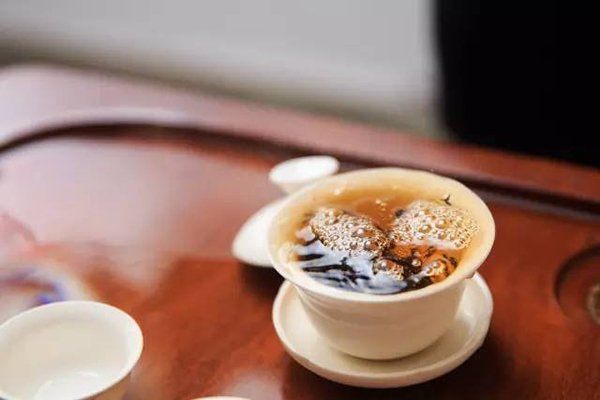
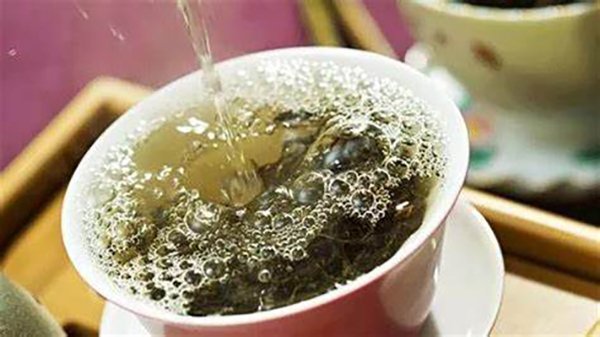
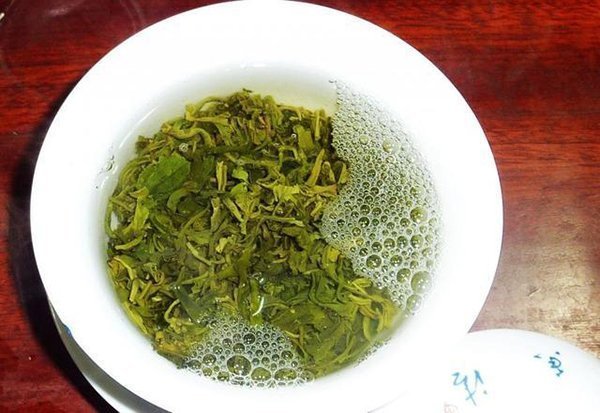
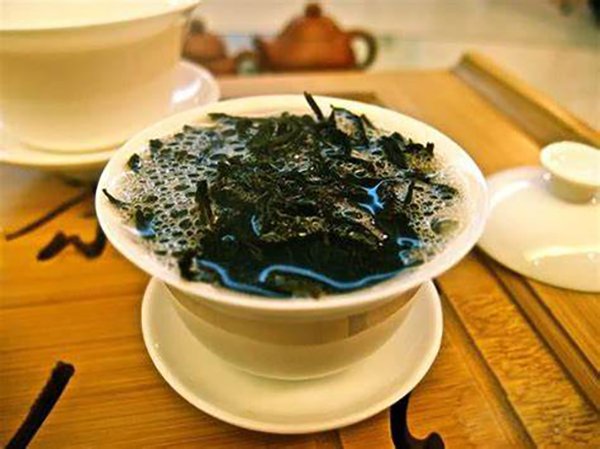
When we steeping tea there will cause some tea foam
When steeping tea, a layer of
“dirty” tea foam will float on the water. Is it impurities or
pesticide residue? Before many people know what the tea foam is, they scrape it
off with the lid of the teacup for psychological reasons. Is the tea foam as
scary as it seems or drinking harmful to the body?
What caused the tea foam?
What caused the tea foam?
There are three generally accepted reasons
for the formation of tea foam:
1.
The reason for tea saponins which are contained in tea
Tea saponin
is the leading cause of tea foam. Tea saponin has a bitter and spicy
taste, and a strong foaming power, the general foam rich tea flavor is
relatively strong. Scientific research shows that tea saponin has
antibacterial, anti-inflammatory, analgesic and other effects, is a kind
of material benefits to the body.
2.
There is some fuzz on the tea leaves
The fuzz on the tea leaves is also one of
the causes of foam formation. Some tea made from tea bud is relatively
delicate, more fuzz, such as white tea, once steep will float tea foam, looks
very dirty, but is the essence of tea.
3.
The tea leaves are too fine
In addition, like CTC black tea, or more fine tea leaves, the effective substances in tea dissolve out quickly, steeping is also easier to cause tea foam.
Is it true that the high-grade tea has
no foam?
High-grade tea also will cause tea foam when steeping
Some people think that high-grade tea does
not cause tea foam. The more foam it causes, the worse of tea, is it true?
Tea foam is not directly related to the
quality of tea leaves. Some high-grade Pu ‘er ancient tree tea also has a foam
because the tea has more fuzz; In addition, some rolling and fermentation
heavier tea, the rich content of the material stuck in the surface of the tea,
steeping is also easy to cause foam.
Tea foam also related to steeping
techniques. If the teapot is holding too high, the foam will be caused more by
agitated, and if the teapot is holding low, the foam will be less.
Another reason is the tea types. Take
Cinnamon tea and narcissus tea for example, one way to tell the difference is
to look at the foam it caused. The tea saponin content of cinnamon is high and
the foaming ability is strong; The tea foam of narcissus tea is small and soon
disappears. And tea saponin has a spicy taste, so cinnamon tea tastes a strong
spicy.
Do we need to scrape the tea foam off
tea?
In fact, we don’t need to remove the tea foam when drinking
Tea saponin is a kind of glycoside
substance, which is widely existed in the plant kingdom, such as Chinese
traditional medicines such as tangerine peel and licorice root all contain glycosides.
With the previous content, we have a
certain understanding of the tea foam. On the one hand, tea foam is the essence
of tea soup, although tea saponin content is little, also is the composition of
tea soup taste, if less tea foam, tea flavor will be at a discount. On the
other hand, tea saponin is a certain antibacterial anti-inflammatory effect,
itself is beneficial to the human body is harmless. So it’s no need to remove
the tea foam, or it will be wasted.
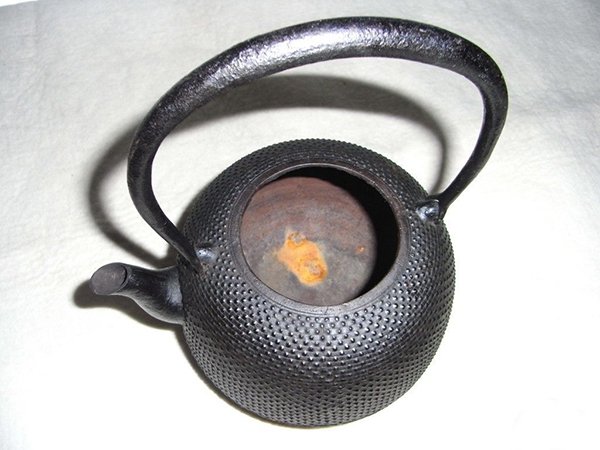
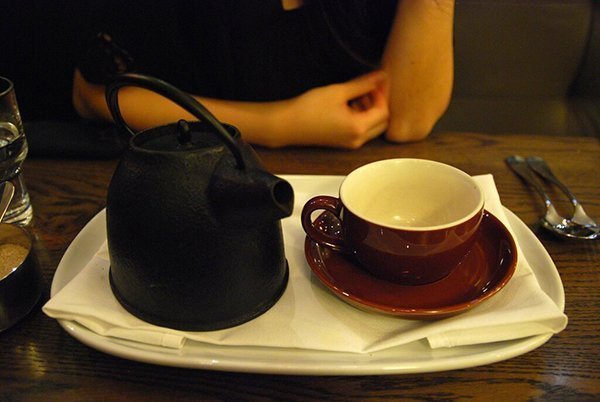
Iron teaware generally refers to the iron
teapot, because the price is relatively low, so it is one of the most widely
used metal teawares. People do not usually steep tea in iron teapots, but
simply boil the water in iron teapots to improve the quality of the water. Iron
teapots are very popular in Japan and are an important part of Sado.
CONTENT
The advantages of the iron teapot
Use
the water boiled in the iron teapot to steep tea, which can improve the
taste of tea. Because the water boiled in an iron teapot contains iron
divalent ions, it tastes like natural mountain spring water and improves
the taste. What’s more, tea steep from water boiled in an iron pot can
increase the absorption of the Fe. Fe
is a hematopoietic element, drinking the water cooked by the iron
teapot can play a certain effect in supplementing the Fe needed by the
human body and preventing anemia.
Maintenance of iron teapot
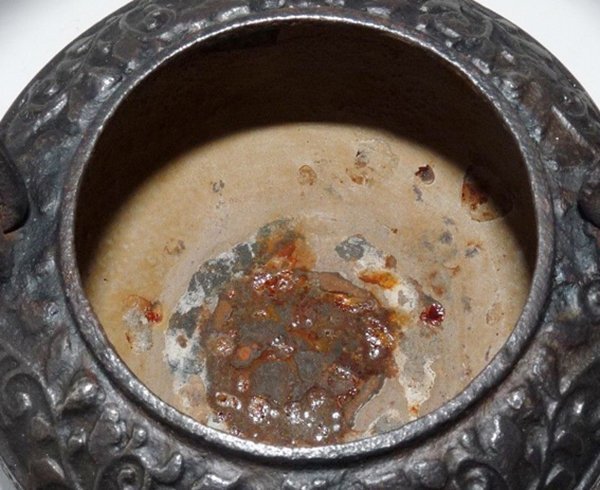
Rust will grow easily on the iron teapot
Iron teapots help tea flavor, but
maintenance them can be a trouble for many people. The most common defect is
rust since the teapot is made by iron, rust grows naturally. With a little rust
can be used normally, but if you don’t pay attention, rust will grow more and
more, forming large areas of rust spots, or even deposit into rust blocks, that
is very annoying. Maintenance of iron teapot advocates
“prevention first, govern later”
Daily maintenance of iron teapot to prevent rust
The rust in the iron teapot
Don’t wait until the iron pot rust, usually more
maintenance, the iron teapot is not easy to rust, but also more and more moist!
The iron teapot cannot hold water for a long time. After
drinking tea, dry it as soon as possible.
Do not boil the water to completely evaporate, on the
maintenance of the iron teapot is not conducive to. Continued heating without
the heat absorption of water will increase the temperature of the iron teapot
and increase the rate of oxidation.
Do not add cold water immediately after you have boiled a
pot of water. Wait a few minutes and allow the teapot to cool down slightly
before adding cold water to minimize damage.
The rust on the surface of the pot has no effect on the
water quality, but the rust is easy to spread, so it should be prevented from
further rusting and corroding the whole teapot. Use a soft cloth to wipe it and
better not to use a hard brush.
Once the formation of rust, rust should be treated early
As we all know, iron is most afraid of water and air. Rust
is everywhere, also because it’s hard to isolate these two things, the lock on
the door, long used umbrella, can grow rust.
Once rust forms, it spreads even in dry air. Rough rust
condenses the steam in the air, absorbs it and stores it, so it is harder to
prevent rust from spreading than to prevent rust from growing. So we have to treat
it in the early stages of rust formation.
How does the chemical way treat the rust? It’s easy. Use an
acid. Solutions such as sulfuric acid and hydrochloric acid can melt away the
rust. Of course, the iron teapot is used for boiling water and steeping tea, so
these chemicals cannot be used. Natural acid substances should be used instead.
Detailed process and method of iron pot derusting
Some thick rust in the iron teapot is hard to treat
If there are some rust spots in the iron teapot, it smells
iron and the water it boiled also has a fishy smell. It must be treated as soon
as possible, so as not to make the rust worse. To treat the rust on the inner
wall of the iron teapot is mainly to dissolve the rust with acidic objects, and
then to prevent further rust by forming a protective layer on the surface of
the iron teapot. Steep. First let the iron
teapot steep with water for half an hour, with a soft brush to brush the inner
wall, as long as it is not the thick rust, do not recommend the use of steel
ball, it will damage the iron teapot. Pour the white vinegar full into the iron
teapot, do not cover the lid, and let it soak for 24 hours. Brush. After steeping, a
part of the rust has dissolved obviously, then brush the inner walls with a
soft brush. Scrape the thick, large pieces with a knife, and the small pieces
are better brushed with a soft brush. The water outlet also cleans with cotton
swabs fully.
Clean with water again after brushing, observe the
derusting status, some serious places to brush again targeted. Boiled. Next, boil water
with lemon to further treat the rust. The specific operation is to cut two
lemons into the piece and put them into an iron teapot and cook them with a
small fire for about 3 hours. The amount of water should be added to
three-quarters of the iron teapot because the rust of the iron teapot is mainly
at the bottom. During this period, please pay attention not to let the water
overflow and timely add water to avoid heating to dry. After cooking, continue
to soak for 2 hours. Then brush the inner wall with a soft bristle brush and
rinse with clean water.
teapot because the rust of the iron teapot
is mainly at the bottom. During this period, please pay attention not
to let the water overflow and timely add water to avoid heating to dry.
After cooking, continue to soak for 2 hours. Then brush the inner wall
with a soft bristle brush and rinse with clean water. Maintenance. After rust
treating, the water after boiling can not see the rust in it anymore. However,
at this time, you can still smell the strong smell of iron in the iron teapot.
You can put 100 grams of tea into the teapot, add water and boil it in a small
fire for several times until the smell of iron disappears.
Occasionally
boiled tap water with the iron teapot, tap water’s water quality is
hard, easy to form scale in the inner wall, and this layer of scale can
isolate moisture and air, reduce the chance of rust.(not means tea stain, tea stain has to treat too)
Taking good maintenance on the iron teapot is very important
To make good water quality, the iron teapot needs to be
maintained carefully. Remember, prevention is the key, once the rust grows,
treat the rust at once.
Many tea drinkers have a high demand for tea, and generally, tea stem is discarded when steeping. In fact, tea stem is not all bad.
CONTENT
What is tea stem?
Tea
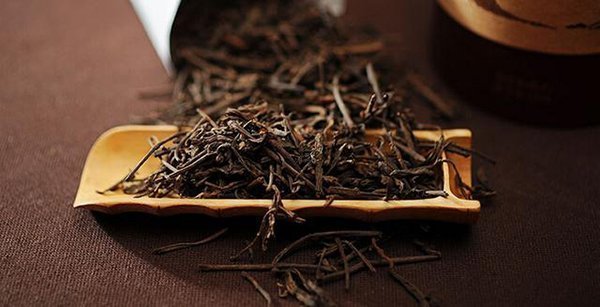
stem, generally speaking, is the leaf stem of tea. Today we are going
to talk about, is the stem which picks from the finished tea, the most
common is Tieguanyin tea stem, also known as tea branch.
The most common is Tieguanyin tea stem
The
number of tea stems depends on the type of tea. Green tea, yellow tea,
and black tea generally do not contain tea stem, unless the machine
picking does not remove them. As for white tea (Shoumei,
Laobai tea), oolong tea and puer tea, sometimes relatively mature fresh
leaves are required in the picking standards, so it is normal for tea
stem to exist in these types of tea.
The effect of tea stem on tea quality
Why is the tea stem processed together with
the tea leaf? It’s related to the nature of the tea stem itself.
Tea stem facilitates the fermentation and transformation of tea
Tea
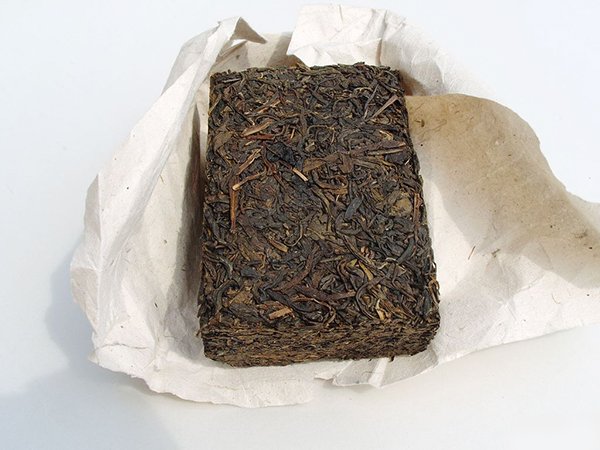
stem hardness is hard, help dark tea brick, and other tea brick
compressed molding. The hardness and shape of tea stem and tea leaf are
different, which leads to a large gap in the brick tea, facilitates the
flow of air and is conducive to the fermentation of dark tea and Pu ‘er
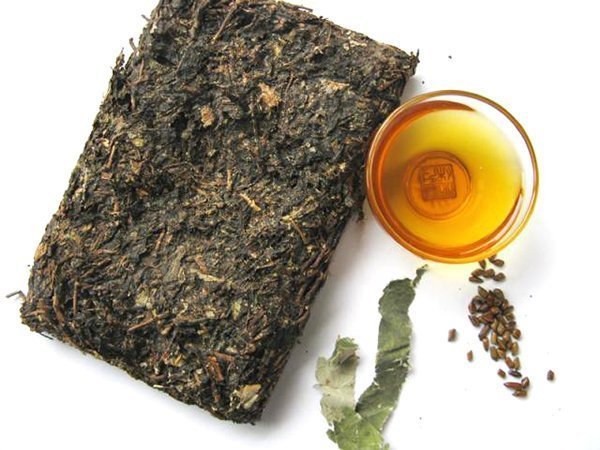
tea. For Fuzhuan tea brick, a certain amount of tea stem content will
also enhance the permeability of Fuzhuan tea brick, which is conducive
to the growth and reproduction of E.cristatum,
because E.cristatum is an Aerobic organism. Tea stem also plays a very
important role in the transformation of white tea brick.
The fermentation of oolong tea also
requires the participation of tea stem, take Tieguanyin as an example. Fixation
is the key of Tieguanyin fermentation processing, the surface cell remains
activity, and the transpiration will happen at the same time on the surface.
Transpiration will take away the huge heat of fermentation, the tension formed
and make the water from branches to leaves through the stem, keep the leaves
wet and not to be burned. After overnight fermentation, the tea branches and
leaves exchange water. With the affection of tea stem in the fermentation, the
tea will get into a high-grade quality.
Tea stem can improve the flavor of tea
Tea stem contains a considerable amount of
aroma substances. The aroma of tea leaves gradually decreases from the first
leaf to the third leaf, while the aroma of the tea stem is the highest. The
aroma substances of tea are mainly in the main veins of tea stem and tender
leaf, and the amino acid in the tender stem is higher than that in tender leaf.
The vascular bundle in the stem is the main transport tissue of nutrients and
aroma, and most of the substances contained are water-soluble. During the
processing of tea, the aroma is transferred from the stem to the leaf with the
evaporation of water, and these substances transfer to the leaf and combine
with the effective substances of the leaf to form a higher and stronger aroma
quality. Therefore, it is necessary to have appropriate tea stems to produce
fragrant, full flavor tea. The length of tea stems varies according to
different tea types.
Dark Tea Brick
Tea stem can make tea more nutritious
According to the research of tea experts,
the picked tender stem contains a large amount of amino acid (mainly theanine),
aroma substances, tea polysaccharide, which is much higher than the content of
buds and leaves, especially theanine, which is 1-3 times higher than the
content of buds and leaves. This is mainly because theanine is synthesized in
the root and transported to the above-ground part through the xylem, the other
part produces glutamate to participate in the nitrogen metabolism of tea tree,
and the other part accumulates in the new buds, so the content of amino acid
(especially theanine) in tender stem is high.
the other part
produces glutamate to participate in the nitrogen metabolism of tea
tree, and the other part accumulates in the new buds, so the content of
amino acid (especially theanine) in tender stem is high.
In addition, tea stem, as a nutrient
conduction organ of fresh leaves, contains high sugar content. Tender tea
leaves contain a lot of sugar, except for water-soluble pectin, mature leaves
and stem almost contain more sugar than young buds.
Fuzhuan Tea Brick
The effect and wonderful use of tea stem
Tea stem contains a large amount of tea polysaccharide,
lignin and cellulose, which can promote gastrointestinal motility, help food
digestion, and lower blood sugar. Experts said that the nutrition and essence
of tea are in the tea stem and leaf, daily steep and drink of 6 grams of tea
stem, can be active to prevent aging and radiation, to a certain extent, tea
stem also has some disease prevention effect.
Also, putting tea stems in a bag and
placing them in a newly renovated room, or in a newly purchased cabinet or car
is a great way to get rid of odors.
Jasmine tea is a kind of flavoured tea,
belonging to one type of green tea, which has a very strong jasmine
fragrance. Its aroma is mainly produced in tea processing. Tea leaves
and jasmine flowers are crisscrossed and layered together so that they
have chemical reactions with each other. After the tea leaves have fully
absorbed the flower fragrance, the tea leaves and flowers will be
separated.
The benefits of Jasmine tea
Jasmine tea which is rolling into balls
Jasmine
tea, besides the medicinal effect of tea itself, there is a certain
detoxification effect of jasmine itself. Jasmine and tea combined, but
also to heat-clearing and detoxifying, help digestion, heal dysentery,
and other effects. Jasmine tea is mainly made up of tea leaves, among
which contains 4% jasmine aroma compounds. Jasmine tea not only
maintains the cool attribute of tea, but also becomes warm attribute tea
due to the baking process(traditional Chinese medicine), and has a
variety of medical protection effect, which can remove stomach
discomfort. “to eliminate evil cold and depression” that’s the benefits
of Jasmine tea in the traditional Chinese medicine system.
According to the determination, jasmine flower contains more than 20 kinds of aroma compounds, its rich in aromatic molecules
and other ingredients, rinse the mouth with it, not only to clean oil,
but also protect the teeth and prevent halitosis benefits. And from the
point of modern medicine, Jasmine tea also has a stronger antibacterial
effect. For women, jasmine tea has a great benefit for their beauty, not
only good for skin but also resist aging.
5 steps to taste a nice cup of Jasmine
tea
A cup of jasmine tea can clean your brain
1. Steeping jasmine tea with glass teaware.
Enjoy the full aroma while watching the tea leaves bloomed out in the
water. Jasmine tea and water ratio of 1:50, it will be best to steep
with mineral water.
2.
Put 2-3g jasmine tea into a glass cup.
3.
Steep jasmine tea with about 90℃ boiling water, close the lid, in case
the aroma dissipates.
4.
After 3 minutes steeping, open a small slit in the lid, smell and enjoy
the aroma for a while.
5.
Wait a minute to let the jasmine tea cool down, sip it a little and
taste, feeling the aroma with your tongue for 1-2 seconds before drink it down.